


The Application of the Roller Sand Mixer
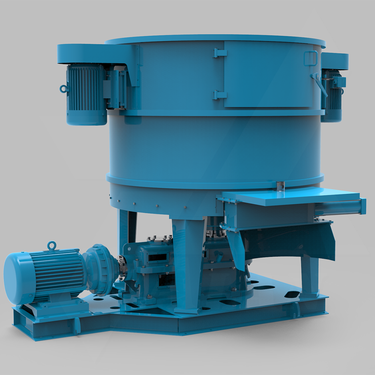
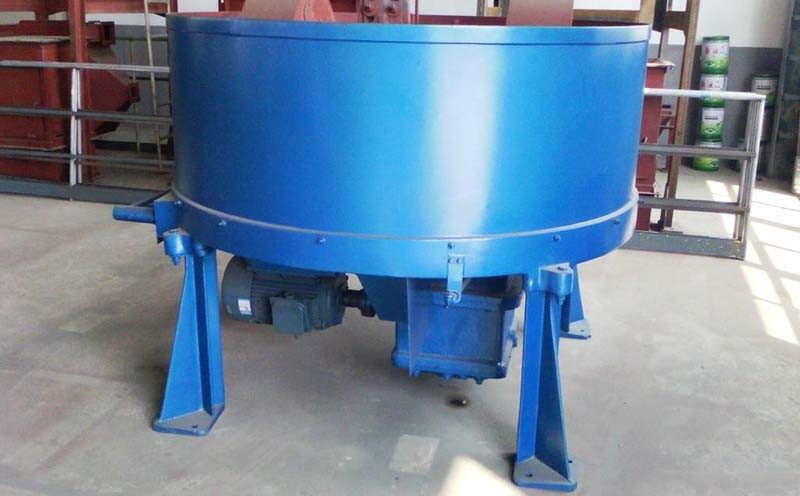
The sand mixer is a specialized device designed to uniformly blend the components of molding sand and effectively coat sand particles with binder. It utilizes the relative motion between the grinding wheel and the grinding disc to crush materials placed between them through combined crushing and grinding actions. While performing material crushing, the sand mixer simultaneously achieves mixing. This equipment is ideal for crushing and blending raw materials such as fly ash, boiler slag, tailings, and industrial waste for brick-making in foundries or for producing non-fired bricks.
The bottom plate of the grinding disc and the outer ring of the grinding disc in the sand mixer are equipped with anti-wear protective plates to enhance both the efficiency of material crushing and grinding, as well as the service life of the entire machine. The height of the grinding wheel on the grinding disc can be automatically adjusted. In cases where materials are difficult to crush or excessively thick layers of material are encountered, the grinding wheel will automatically rise to ensure operational safety. **Application**: It is utilized for mixing core sand and other materials in foundry workshops and can also be applied for blending granular or powdered materials in industries such as glass, ceramics, chemicals, building materials, and molds.
Classification of Sand Mixers
Sand mixers are a type of sand treatment equipment widely used in the foundry industry. Based on the characteristics of the sand mixing process, sand mixers can be classified into several types: roller-type sand mixers primarily relying on rolling and grinding effects; counter-flow or rotor-type sand mixers with both kneading and mixing functions; and swing-wheel type sand mixers combining rolling and mixing capabilities. Additionally, sand mixers can be further categorized into two types based on their working nature: intermittent and continuous.
Roller-Type Sand Mixer
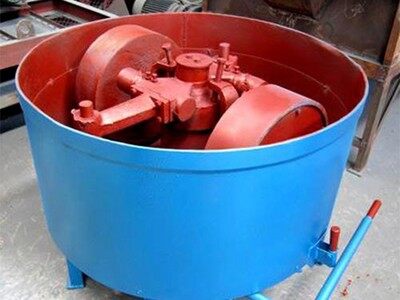
Emerging in the early 20th century, the roller-type sand mixer remains widely used for mixing molding (core) sand with clay as the binder. This type of sand mixer is equipped with rollers of a specific weight. During the sand mixing process, the rollers not only revolve around the main shaft of the sand mixer but also rotate around the roller shaft. Through rolling and grinding, the rollers coat the molding sand particles with a layer of binder. When mixing surface sand and core sand, the quality of the mixed sand surpasses that of other types of sand mixers.
Rotor-Type Sand Mixer
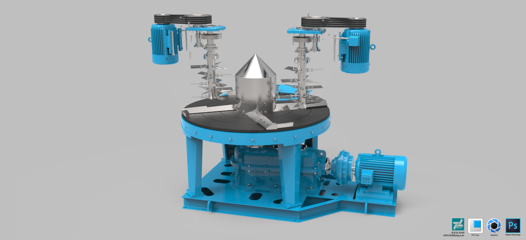
With the development of high-speed and high-pressure automatic molding production lines, a new type of sand mixer has emerged specifically for mixing clay wet molding sand. A distinctive structural feature of this sand mixer is the installation of a scraper and a high-speed rotor with blades on the eccentric part of the sand mixer chassis. The chassis rotates clockwise, while the rotor and scraper rotate counterclockwise. The rotational speed of the rotor exceeds that of the chassis. During the sand mixing process, due to the opposing movements and differing rotational speeds of the sand mixer's base and rotor, the molding sand on the base experiences varying speed differences. Corresponding frictional and shearing forces are generated between the sand particles, achieving effects such as rubbing, mixing, and crushing. This results in both high mixing efficiency and excellent quality of the mixed molding sand.
Technical Parameters of the Roller Sand Mixer
|
Project |
Unit |
S1110 |
S111A |
S114C |
S118 |
S1312 |
S1115 |
S1315 |
S1415 |
|
Disk diameter |
mm |
1000 |
1250 |
1820 |
1800 |
1200 |
1500 |
1500 |
1500 |
|
The amount of mixed sand |
t/h |
1.5-2 |
2-4 |
10-13 |
13-15 |
5-6 |
6-8 |
8-10 |
7-9 |
|
Feeding amount |
kg |
110 |
140 |
500 |
500-600 |
180 |
300 |
350 |
320 |
|
Power |
kw |
4 |
4 |
15 |
22 |
7.5 |
11 |
11 |
11 |


