

Operating a clay sand production line involves a series of tasks that require a specific set of labor skills and resources. As a supplier of clay sand production lines, I have witnessed firsthand the importance of having the right labor force to ensure the smooth and efficient operation of these lines. In this blog post, I will discuss the labor requirements for operating a clay sand production line, including the necessary skills, job roles, and safety considerations.

Skills Required for Operating a Clay Sand Production Line
Technical Skills
The operation of a clay sand production line requires a certain level of technical expertise. Workers need to understand the principles of sand processing, including the physical and chemical properties of clay sand. They should be familiar with the operation of various machines and equipment used in the production line, such as crushers, Sand Screening Machine, mixers, and conveyors.
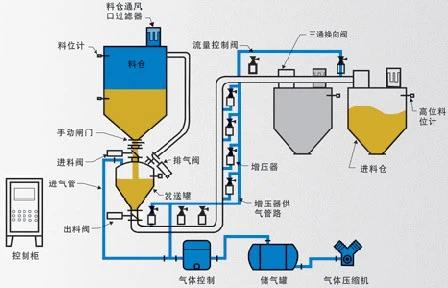
For example, operators of the sand screening machine need to know how to adjust the screen mesh size according to the required sand particle size. They also need to be able to troubleshoot common problems, such as blockages or uneven screening. Similarly, workers operating the Pneumatic Conveyor Tank should understand the principles of pneumatic conveying, including pressure control and material flow management.
Maintenance Skills
Regular maintenance is crucial for the longevity and efficient operation of a clay sand production line. Workers with maintenance skills are needed to perform tasks such as equipment lubrication, inspection, and repair. They should be able to identify and replace worn - out parts in a timely manner to prevent breakdowns.
For instance, the Sand Temperature Regulator requires regular maintenance to ensure accurate temperature control. Maintenance workers need to check the sensors, heating elements, and cooling systems regularly to keep the equipment in good working condition.
Quality Control Skills
Quality control is an essential aspect of clay sand production. Workers responsible for quality control need to have a good understanding of the quality standards for clay sand. They should be able to perform tests on the sand, such as moisture content analysis, particle size distribution testing, and chemical composition analysis.
By using appropriate testing equipment and techniques, they can ensure that the produced clay sand meets the required specifications. Quality control workers also need to communicate effectively with other departments, such as production and sales, to address any quality - related issues.
Job Roles in a Clay Sand Production Line
Machine Operators
Machine operators are at the core of the clay sand production line. They are responsible for operating and monitoring the various machines and equipment. Their tasks include starting and stopping the machines, adjusting the operating parameters, and ensuring the continuous flow of materials through the production line.
For example, an operator of the crusher needs to feed the raw materials into the crusher at the right rate and monitor the crushing process to ensure that the output meets the desired particle size. They also need to be alert to any abnormal noises or vibrations that may indicate a problem with the machine.
Maintenance Technicians
Maintenance technicians play a vital role in keeping the production line running smoothly. They are responsible for preventive and corrective maintenance tasks. This includes conducting regular inspections of the equipment, performing routine maintenance procedures, and repairing any faulty components.
Maintenance technicians need to have a good understanding of mechanical, electrical, and hydraulic systems. They should be able to use various tools and diagnostic equipment to troubleshoot problems. For example, when a conveyor belt malfunctions, they need to be able to identify whether the problem is with the motor, the belt itself, or the pulley system.
Quality Control Inspectors
Quality control inspectors are responsible for ensuring the quality of the clay sand produced. They collect samples from different stages of the production process and perform a series of tests to verify the quality. They also keep records of the test results and report any quality issues to the relevant departments.
In addition, quality control inspectors may be involved in developing and implementing quality improvement plans. They work closely with production and engineering teams to identify areas for improvement and implement corrective actions.
Forklift Operators
Forklift operators are responsible for moving raw materials and finished products within the production facility. They need to have a valid forklift operator's license and be trained in safe forklift operation. Their tasks include loading and unloading materials from trucks, transporting materials to different storage areas, and stacking the materials in an organized manner.
Forklift operators need to be aware of the weight limits of the forklift and the proper handling techniques to prevent accidents. They also need to follow the traffic rules within the production facility to ensure the safety of other workers.
Safety Considerations for Labor in a Clay Sand Production Line
Personal Protective Equipment (PPE)
All workers in a clay sand production line should be provided with and required to wear appropriate personal protective equipment. This includes safety helmets, safety glasses, earplugs, dust masks, and safety shoes. PPE helps to protect workers from various hazards, such as falling objects, flying debris, noise, and dust.
For example, workers operating the crushers and screening machines are exposed to a high level of dust. Wearing a dust mask can prevent them from inhaling harmful dust particles, which can cause respiratory problems. Similarly, earplugs are necessary for workers in areas with high - noise levels to protect their hearing.
Safety Training
Comprehensive safety training is essential for all workers in the production line. Workers should be trained on the safe operation of the equipment, the proper use of PPE, and the emergency procedures. Safety training should be conducted regularly to ensure that workers are up - to - date with the latest safety regulations and practices.
For example, workers need to be trained on how to operate the machines safely, including the proper start - up and shut - down procedures. They also need to know what to do in case of an emergency, such as a fire or a machine malfunction.
Hazard Identification and Risk Assessment
Regular hazard identification and risk assessment should be carried out in the clay sand production line. This involves identifying potential hazards, such as moving machinery, electrical hazards, and chemical substances, and assessing the risks associated with these hazards.
Based on the risk assessment, appropriate control measures should be implemented to reduce the risks. For example, if there is a risk of dust explosion in the sand storage area, explosion - proof equipment should be installed, and proper ventilation systems should be maintained.
Conclusion
Operating a clay sand production line requires a diverse set of labor skills and well - defined job roles. From machine operators to maintenance technicians and quality control inspectors, each role is essential for the successful operation of the production line. Safety is also a top priority, and workers should be provided with the necessary training and protective equipment.
If you are interested in setting up or upgrading your clay sand production line, our company can provide you with high - quality equipment and professional advice. We have a team of experts who can help you determine the labor requirements for your specific production line and provide training solutions. Contact us to start a discussion about your clay sand production needs and explore how we can assist you in achieving your production goals.
References
- "Industrial Sand Processing Handbook" - A comprehensive guide on sand processing techniques and labor requirements.
- "Safety Standards for Mining and Aggregate Production" - Provides safety guidelines for workers in sand production facilities.
- "Quality Control in Foundry Sands" - Focuses on quality control measures and the role of labor in ensuring sand quality.