

Hey there! I'm a supplier of Resin Sand Production Lines, and today I want to have an open and honest chat about the disadvantages of these production lines. It's important to know both the good and the bad when considering any industrial equipment, so let's dive right in.
High Initial Investment
One of the biggest drawbacks of a Resin Sand Production Line is the high initial investment. Setting up a complete production line requires a significant amount of capital. You've got to buy all the necessary equipment like mixers, Vibration Compaction Table, Sand Screening Machine, and Boiling Cooling Bed. These machines aren't cheap, and on top of that, you need to factor in the cost of installation, commissioning, and training your staff to operate them.
For small and medium - sized enterprises, this upfront cost can be a real barrier. It might take years to recoup the investment, and during that time, there's always the risk that market conditions could change, or new technologies could emerge, making your investment less valuable.
Complex Maintenance
Resin Sand Production Lines are complex systems with many moving parts. Each piece of equipment needs regular maintenance to ensure it runs smoothly. For example, the mixers need to be cleaned and lubricated regularly to prevent the resin from sticking and causing mechanical issues. The Vibration Compaction Table has to be checked for proper vibration settings and any signs of wear and tear.
Maintenance also requires skilled technicians. Finding and hiring these technicians can be difficult and expensive. If maintenance is not done properly, it can lead to breakdowns, which can halt production and result in significant losses. Moreover, the cost of spare parts for these machines can be quite high, adding to the overall maintenance expenses.
Environmental Impact
Resin sand production can have a negative impact on the environment. The use of resin in the sand mixture releases volatile organic compounds (VOCs) into the air. These VOCs are harmful to human health and can contribute to air pollution. In addition, the waste sand generated from the production process can be difficult to dispose of. If not managed properly, it can contaminate soil and water sources.
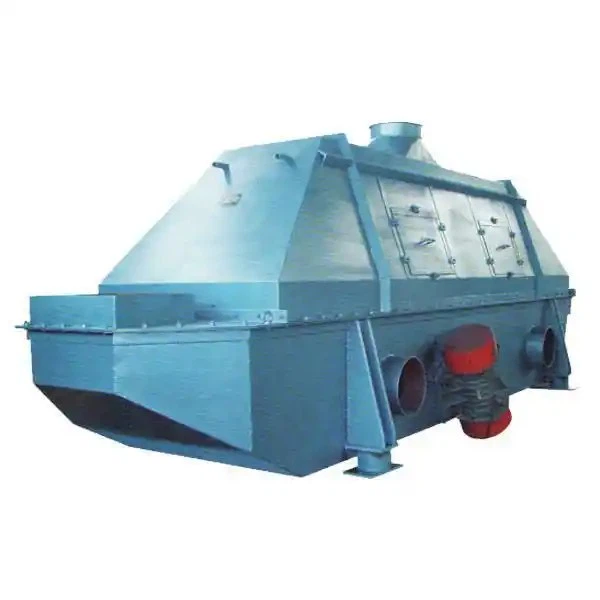

Many countries and regions have strict environmental regulations regarding industrial emissions and waste disposal. Meeting these regulations can be costly for businesses. They may need to invest in additional equipment such as air purification systems and waste treatment facilities, which further increases the operating costs of the production line.
Energy Consumption
Resin Sand Production Lines are energy - intensive. The various machines in the production line, such as the mixers, heaters, and Boiling Cooling Bed, require a large amount of electricity to operate. High energy consumption not only increases the operating costs but also has an impact on the environment.
As energy prices continue to rise, the cost of running a Resin Sand Production Line becomes even more significant. Businesses need to find ways to reduce energy consumption, which may involve investing in more energy - efficient equipment or implementing energy - saving measures. However, these solutions also come with their own costs and challenges.
Quality Control Challenges
Maintaining consistent quality in resin sand production can be a challenge. The quality of the resin sand depends on many factors, such as the type and quality of the resin, the sand characteristics, and the mixing process. Even small variations in these factors can lead to differences in the final product quality.
For example, if the resin is not mixed properly with the sand, it can result in uneven curing and poor mechanical properties of the sand mold. Monitoring and controlling these factors require sophisticated testing equipment and skilled operators. Any quality issues can lead to product defects, which can be costly to correct and may damage the company's reputation.
Limited Flexibility
Resin Sand Production Lines are often designed for specific production requirements. Once the production line is set up, it can be difficult and expensive to make changes to the production process or switch to a different type of sand or resin. This lack of flexibility can be a problem for businesses that need to adapt to changing market demands or new product requirements.
For instance, if a customer requests a different type of sand mold with unique specifications, the production line may not be able to accommodate these changes easily. This can lead to lost business opportunities and a competitive disadvantage in the market.
Training Requirements
Operating a Resin Sand Production Line requires specialized knowledge and skills. Employees need to be trained on how to operate each piece of equipment safely and efficiently. This training can be time - consuming and costly for the company.
Moreover, as new technologies and equipment are introduced, employees need to be retrained regularly. If employees are not properly trained, it can lead to accidents, equipment damage, and poor product quality.
Market Competition
The market for Resin Sand Production Lines is highly competitive. There are many suppliers offering similar products, which can make it difficult for businesses to stand out. To compete, companies need to offer high - quality products at competitive prices.
In addition, new entrants in the market may introduce innovative technologies or business models that can disrupt the traditional market. This means that existing suppliers need to constantly invest in research and development to stay ahead of the competition.
Despite these disadvantages, Resin Sand Production Lines also have many advantages, such as high - precision casting and good surface finish. If you're considering investing in a Resin Sand Production Line, it's important to weigh these pros and cons carefully.
If you have any questions or are interested in discussing how we can address these challenges and find the right solution for your business, feel free to reach out. We're here to help you make an informed decision and get the most out of your investment.
References
- Industry reports on resin sand production technology
- Studies on environmental impacts of industrial sand production
- Technical manuals of resin sand production line equipment