

Can a sandblasting machine be used for cleaning chrome - plated surfaces?
As a supplier of sandblasting machines, I often encounter various inquiries from customers regarding the applications of our products. One common question that frequently comes up is whether a sandblasting machine can be used for cleaning chrome - plated surfaces. In this blog post, I will delve into this topic, exploring the feasibility, potential risks, and best practices associated with using sandblasting machines on chrome - plated surfaces.
Understanding Chrome - Plated Surfaces
Chrome plating is a process of electroplating a thin layer of chromium onto a metal object. This plating serves multiple purposes, including enhancing the object's appearance, providing corrosion resistance, and improving wear resistance. Chrome - plated surfaces are commonly found in automotive parts, household fixtures, and industrial equipment. The chrome layer is relatively thin, usually ranging from a few micrometers to tens of micrometers, and it has a smooth and shiny finish.
The Basics of Sandblasting
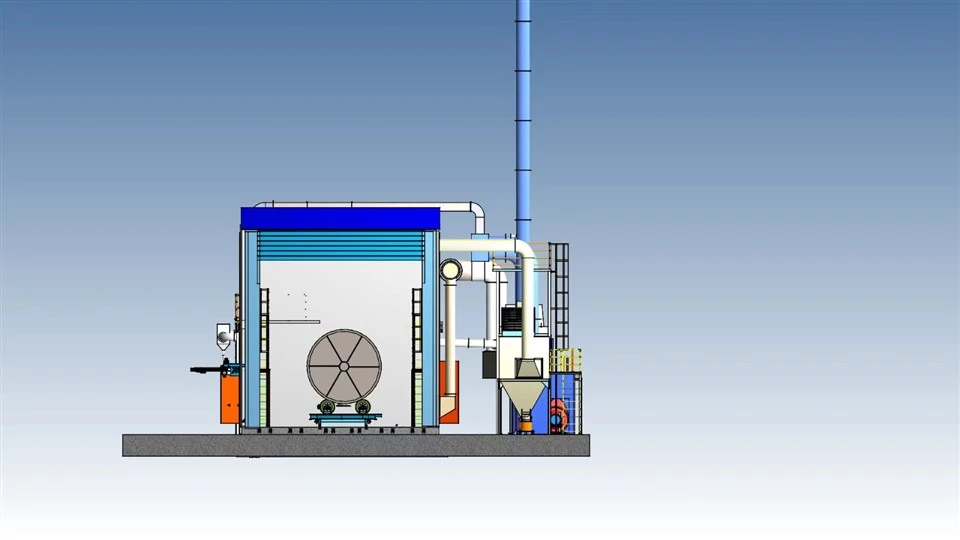
Sandblasting is a surface treatment process that involves propelling abrasive materials at high speeds onto a surface to clean, etch, or prepare it for further processing. The abrasive materials can include sand, glass beads, aluminum oxide, or other suitable substances. Sandblasting machines come in various types, such as Scraper Recycling Sandblasting Room, Shell cleaning machine, and Mobile Sandblasting Machine, each designed for different applications and environments.
Feasibility of Using Sandblasting on Chrome - Plated Surfaces
The answer to whether a sandblasting machine can be used for cleaning chrome - plated surfaces is both yes and no, depending on several factors.

Yes: Under Certain Conditions
In some cases, sandblasting can be used to clean chrome - plated surfaces. For example, if the chrome - plated surface has stubborn contaminants such as heavy rust, paint, or scale that cannot be removed by other gentle cleaning methods, sandblasting may be a viable option. However, this requires careful selection of the abrasive material and precise control of the blasting parameters.
Soft abrasive materials like glass beads or plastic media are often preferred for cleaning chrome - plated surfaces. These abrasives are less likely to damage the chrome layer compared to harder materials like sand or aluminum oxide. The blasting pressure should also be kept relatively low to avoid excessive impact on the chrome plating. By using the right combination of abrasive and pressure, it is possible to remove the contaminants without significantly damaging the chrome surface.
No: High Risk of Damage
On the other hand, using sandblasting on chrome - plated surfaces without proper precautions can cause severe damage. The thin chrome layer is vulnerable to scratching, pitting, and even complete removal if the abrasive is too aggressive or the blasting pressure is too high. Once the chrome layer is damaged, the underlying metal is exposed, which can lead to corrosion and a loss of the aesthetic and functional properties of the chrome plating.
Potential Risks of Sandblasting Chrome - Plated Surfaces
- Surface Damage: As mentioned earlier, the most significant risk is damage to the chrome layer. Scratches and pits can make the surface look dull and uneven, reducing its visual appeal. In addition, the damaged chrome layer may no longer provide effective corrosion protection.
- Corrosion: When the chrome layer is compromised, the underlying metal is exposed to the environment. This can lead to corrosion, especially in humid or corrosive conditions. Corrosion not only affects the appearance of the object but also its structural integrity over time.
- Loss of Functionality: Chrome - plated surfaces are often used in applications where smoothness and low friction are important, such as in automotive parts. Sandblasting damage can increase friction and affect the proper functioning of these parts.
Best Practices for Sandblasting Chrome - Plated Surfaces
If you decide to use sandblasting to clean chrome - plated surfaces, here are some best practices to follow:
- Choose the Right Abrasive: Opt for soft abrasives like glass beads, plastic media, or walnut shells. These materials are less likely to damage the chrome layer while still being effective at removing contaminants.
- Control the Blasting Pressure: Keep the blasting pressure as low as possible while still achieving the desired cleaning effect. Start with a low pressure and gradually increase it if necessary.
- Test on a Small Area: Before sandblasting the entire surface, test the process on a small, inconspicuous area to ensure that the chrome layer is not being damaged.
- Use a Masking Technique: If there are areas on the chrome - plated surface that you do not want to be sandblasted, use masking tape or other suitable masking materials to protect them.
Alternatives to Sandblasting for Cleaning Chrome - Plated Surfaces
If you are concerned about the potential risks of sandblasting, there are several alternative cleaning methods available:
- Chemical Cleaning: There are various chemical cleaners specifically designed for chrome - plated surfaces. These cleaners can effectively remove dirt, grime, and light rust without damaging the chrome layer.
- Mechanical Cleaning: Gentle mechanical cleaning methods, such as using a soft brush or cloth, can also be used to clean chrome - plated surfaces. This is a safer option for removing loose dirt and debris.
Conclusion
In conclusion, while it is possible to use a sandblasting machine for cleaning chrome - plated surfaces, it should be done with extreme caution. The potential risks of damage to the chrome layer are significant, and careful consideration of the abrasive material, blasting pressure, and other factors is essential. If you are unsure about whether sandblasting is the right option for your chrome - plated surface, it is advisable to consult with a professional or test the process on a small area first.
As a sandblasting machine supplier, we are committed to providing our customers with the best solutions for their surface treatment needs. If you have any questions or need further advice on using sandblasting machines for cleaning chrome - plated surfaces or other applications, please feel free to contact us for a detailed discussion and potential purchase negotiation.
References
- Smith, J. (2018). Surface Treatment Handbook. New York: ABC Publishing.
- Johnson, R. (2019). Chrome Plating Technology. London: XYZ Press.