



Sandblasting protective clothing

Sandblasting operations generate high-speed flying abrasives, a large amount of dust and loud noise, which pose a great threat to operators. Therefore, professional sandblasting protective clothing is an indispensable life safety equipment.
A. What is sandblasting protective clothing?
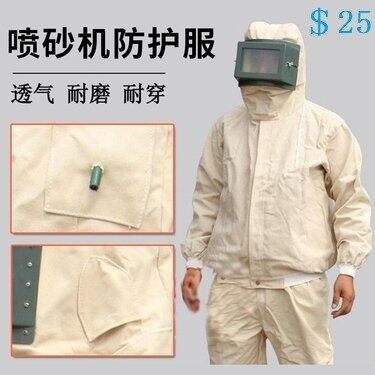
Sandblasting protective suits, often referred to as "sandblasting suits" or "sandblasting helmet one-piece suits", are a type of enclosed protective equipment that provides comprehensive protection for sandblasting operators. It is not merely an ordinary one-piece work uniform, but an independent life support system that integrates head protection, respiratory protection, body protection and visual protection.
B. Core Components
A complete set of sandblasting protective clothing usually includes the following key parts:
Protective helmet/hood
Material: Usually made of strong fiberglass or high-strength engineering plastics, it can withstand the impact of high-speed abrasives.
Window: Equipped with thick multi-layer impact-resistant glass or polycarbonate Windows, providing a clear view. To prevent dust adhesion and abrasive scratches, there are usually replaceable protective plates outside the window.
Respiratory system interface: There is a standard interface at the top or rear for connecting the compressed air pipe.
Respiratory system
This is the core of the protective suit. It supplies the operator with positive pressure breathing air by delivering filtered and regulated clean compressed air from the top or front of the helmet through a long hose.
Positive pressure effect: The air pressure inside the helmet is slightly higher than that of the external environment, which can effectively prevent the backflow and inhalation of external dust, ensuring breathing safety.
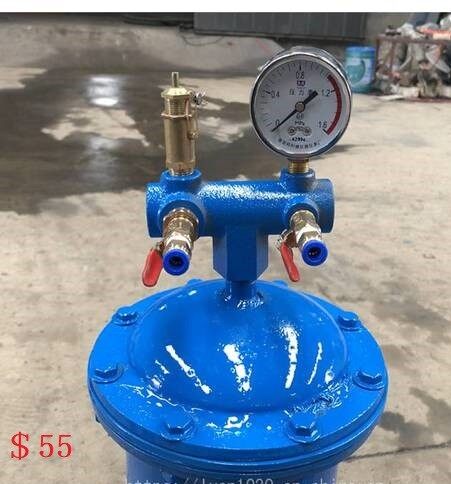
The system usually includes an air filter and a pressure regulating valve to ensure the cleanliness of the air and a comfortable airflow.
The main body of protective clothing
Material: Usually made of canvas that is wear-resistant, tear-resistant and anti-static.
Design: Split or one-piece connected design, covering the entire body, including the head, trunk and limbs. The cuffs and trouser legs are usually designed to be tightened to prevent abrasives and dust from entering. There is a dedicated passage on the back for air pipes to pass through.
Gloves and protective boots
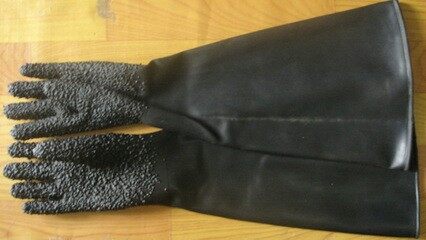
Gloves: Made of wear-resistant materials such as cowhide and rubber, they are connected to the sleeves through a firm sealing ring and can be flexibly replaced.
Protective boots: Usually thick rubber or cowhide boot tips, they are used to protect the feet from being injured by falling abrasives.
C. Main Functions and Roles of sandblasting suits


Impact resistance: It can withstand the direct impact of abrasive materials such as steel grit, glass beads and slag that are ejected at high speed (up to several hundred meters per second).
Dust prevention: The sealed design and positive pressure breathing system completely isolate the high concentration of harmful dust in the working environment (such as silica dust, which can cause silicosis).
Oxygen supply and heat dissipation: Continuous clean air not only provides the oxygen needed for breathing but also, to a certain extent, removes the heat and moisture inside the helmet, enhancing comfort.
Noise reduction: The thick helmet and body can effectively reduce the huge noise generated by the operation of the sandblasting machine and the impact of abrasive materials, protecting hearing.
D. Types of sandblasting protective clothing
Pneumatic sandblasting suit
Feature: The most commonly used type. Powered by an external air compressor, the air is filtered and pressurized before being sent into the helmet.
Advantages: Large air supply and comfortable breathing.
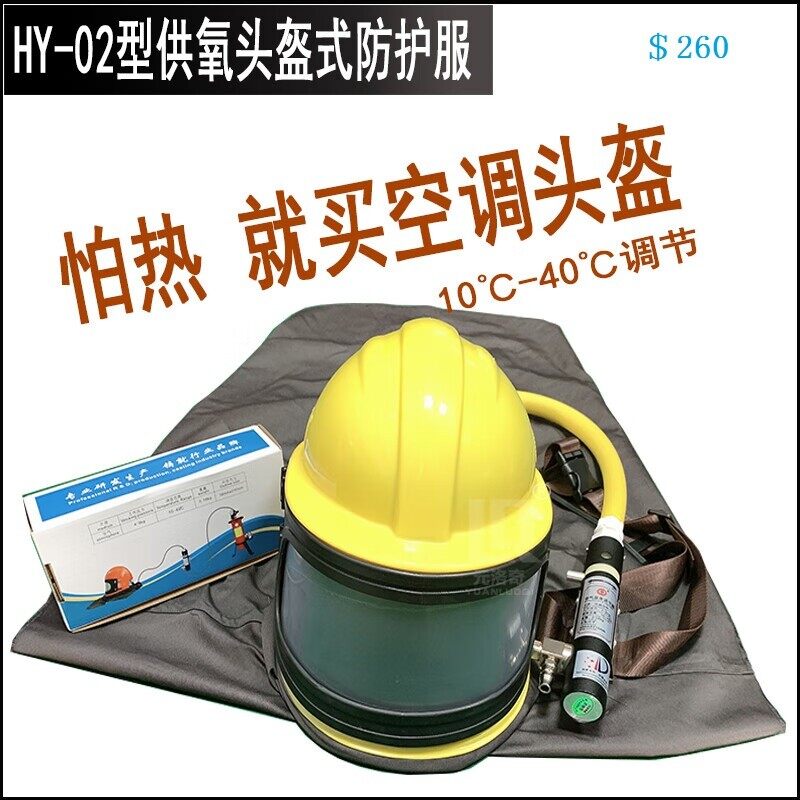
Air-conditioned sandblasted suits
Feature: Improve the stuffy and hot environment for operators. Powered by an external air compressor, the air is filtered and pressurized, and then sent into the helmet through a temperature control device.
Advantages: Adjustable from 10 to 40℃, comfortable to breathe, and good heat dissipation effect.
E. Precautions for Use
Pre-use inspection: Before each use, it is necessary to check whether the protective suit is damaged or torn, whether the window is clear, whether the breathing pipeline is unobstructed, and whether the air filter needs to be replaced.
Ensure the air source is clean: Clean, dry and oil-free compressed air must be used, and ensure that the filtration and pressure regulating device is working properly. Unclean air can cause respiratory diseases.
Proper wearing: Ensure that all zippers and buckles are sealed properly and there are no gaps at the connection points of gloves and boots.
Do not work alone: There should be a supervisor at the sandblasting operation site to maintain communication at all times to prevent accidents.
In summary, the sandblasting protective suit is the "life armor" of sandblasting workers. Choosing a suitable, high-quality and correctly used sandblasting protective suit is of Paramount importance for ensuring the safety and health of sandblasting workers.


