

What is the safety distance required when using a Vibration Compaction Table?
As a supplier of Vibration Compaction Tables, I've received numerous inquiries regarding safety protocols, especially the appropriate safety distance when operating these machines. In this blog, I'll delve into the factors that determine the safety distance and provide some guidelines to ensure a secure working environment.
Understanding the Vibration Compaction Table
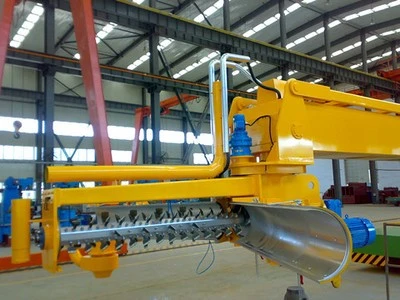
Before discussing the safety distance, it's essential to understand how a Vibration Compaction Table works. These tables are designed to compact materials such as soil, concrete, and other granular substances through vibration. The vibration helps to settle the particles, reducing air voids and increasing the density of the material.
The vibration generated by the table can have various effects on the surrounding environment and personnel. It can cause physical discomfort, hearing damage, and even structural damage to nearby equipment and buildings if not properly managed. Therefore, determining the correct safety distance is crucial to minimize these risks.
Factors Affecting the Safety Distance
Several factors influence the safety distance required when using a Vibration Compaction Table. Here are some of the key considerations:
- Vibration Intensity: The intensity of the vibration is one of the most significant factors. Higher vibration intensities can travel further and have a more substantial impact on the surrounding area. The vibration intensity is typically measured in terms of acceleration, velocity, or displacement. Manufacturers usually provide specifications regarding the vibration intensity of their Vibration Compaction Tables.
- Frequency of Vibration: The frequency of the vibration also plays a role. Different frequencies can have different effects on the human body and the surrounding environment. For example, low - frequency vibrations may cause more discomfort and structural damage, while high - frequency vibrations can be more harmful to the ears.
- Duration of Operation: The longer the Vibration Compaction Table is in operation, the greater the potential impact on the surrounding area. Prolonged exposure to vibration can increase the risk of health problems for workers and cause more significant wear and tear on nearby equipment.
- Surrounding Environment: The nature of the surrounding environment is another important factor. If the table is used in an open area, the vibration may disperse more easily. However, if it is used in a confined space or near sensitive equipment, the safety distance may need to be increased. For example, if there are other precision instruments nearby, a larger safety distance may be required to prevent damage to these instruments.
Determining the Safety Distance
Based on the above factors, here are some general guidelines for determining the safety distance:

- Refer to Manufacturer's Recommendations: The first step is to refer to the manufacturer's instructions and recommendations. Most reputable manufacturers provide safety guidelines, including the recommended safety distance, in the product manual. These recommendations are based on extensive testing and research and should be followed closely.
- Conduct a Risk Assessment: In addition to following the manufacturer's recommendations, it's advisable to conduct a risk assessment of the specific work environment. This may involve measuring the vibration levels at different distances from the table and evaluating the potential impact on workers and nearby equipment. A professional engineer or safety expert can assist with this process.
- Consider the Worst - Case Scenario: When determining the safety distance, it's important to consider the worst - case scenario. For example, if the table is operating at its maximum vibration intensity and frequency for an extended period, the safety distance should be set accordingly.
Safety Precautions in Addition to Distance
While maintaining an appropriate safety distance is crucial, there are other safety precautions that should be taken when using a Vibration Compaction Table:
- Use Personal Protective Equipment (PPE): Workers should wear appropriate PPE, such as earplugs or earmuffs to protect their hearing, and safety shoes and gloves to protect against physical hazards.
- Regular Maintenance: Regular maintenance of the Vibration Compaction Table is essential to ensure its safe operation. This includes checking the vibration components, electrical systems, and structural integrity of the table.
- Training and Education: Workers should receive proper training on the safe operation of the Vibration Compaction Table. They should be aware of the potential risks and how to minimize them.
Related Products in Our Range
As a supplier, we also offer a range of related products that can complement the use of Vibration Compaction Tables. For example, we have Resin Sand Mixer, which is used for mixing resin sand in the casting industry. Our Clay Sand Production Line is designed for the efficient production of clay sand. And our Boiling Cooling Bed can be used to cool down the sand after the casting process.
Encouraging Contact for Purchase and Consultation
If you're in the market for a Vibration Compaction Table or any of our related products, we're here to help. Our team of experts can provide you with detailed information about our products, including safety features and performance specifications. We can also assist you in determining the appropriate safety distance for your specific application. Whether you're a small - scale workshop or a large - scale industrial operation, we have the right solution for you. Contact us today to start the procurement negotiation process and take your operations to the next level.
References
- "Handbook of Vibration Engineering" by C. M. Harris and C. E. Crede.
- Occupational Safety and Health Administration (OSHA) guidelines on vibration exposure.
- Manufacturer's product manuals for Vibration Compaction Tables.