

The V - method casting process, known for its high - precision casting results and environmental friendliness, has been a popular choice in the manufacturing industry. As a V - method casting line supplier, I often encounter the question: Can the V - method casting line be automated? In this blog, I will delve into this topic, exploring the possibilities, challenges, and benefits of automating the V - method casting line.
The Basics of V - method Casting
Before discussing automation, it's essential to understand the V - method casting process. The V - method uses a vacuum to hold the sand mold together instead of traditional binders. This results in a cleaner, more precise casting with fewer defects. The process typically involves several key steps: pattern mounting, sand filling, vacuum application, pouring, and shakeout. Each of these steps has its own set of requirements and complexities, which need to be considered when thinking about automation.

The Case for Automation
Automation in the V - method casting line offers numerous advantages. Firstly, it can significantly improve productivity. Automated systems can work continuously without breaks, reducing the time required for each casting cycle. For example, an automated sand filling system can precisely control the amount of sand and the filling speed, ensuring consistent mold quality. This not only speeds up the production process but also reduces the likelihood of human - error - related defects.
Secondly, automation enhances safety. The V - method casting process involves high - temperature molten metal and heavy equipment. By automating tasks such as pouring and mold handling, workers can be kept at a safer distance from potential hazards. This reduces the risk of accidents and injuries in the workplace.
Another benefit is cost - savings. Although the initial investment in automation technology can be high, in the long run, it can lead to significant savings. Automated systems can reduce labor costs, as fewer workers are needed to operate the casting line. Additionally, they can optimize the use of materials, such as reducing sand waste, which further cuts down on production costs.
Components of an Automated V - method Casting Line
To achieve full automation of the V - method casting line, several key components need to be considered.
Pattern Handling
Automated pattern handling systems can accurately place and remove patterns from the mold. These systems use robotic arms or conveyors to move patterns in and out of the molding area. They can be programmed to handle different types and sizes of patterns, ensuring flexibility in production.
Sand Filling and Compaction
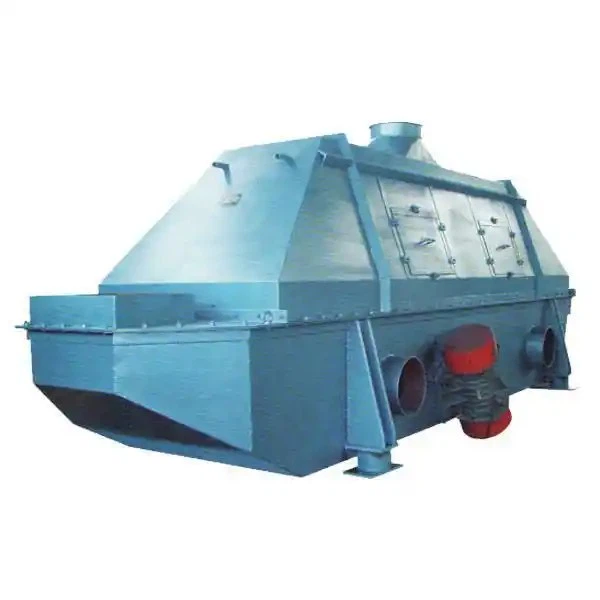
Automated sand filling systems are crucial for consistent mold quality. These systems can precisely measure and distribute the sand into the mold cavity. Some advanced systems use Boiling Cooling Bed technology to cool and fluidize the sand before filling, which helps to achieve better sand packing and mold density.
Vacuum Application
The vacuum is a critical part of the V - method casting process. Automated vacuum systems can monitor and control the vacuum pressure throughout the casting cycle. They can detect any leaks or pressure drops and make adjustments in real - time, ensuring a stable vacuum environment for the mold.
Pouring
Automated pouring systems can accurately control the flow rate and volume of molten metal. These systems use sensors and control algorithms to ensure that the pouring process is consistent and precise. They can also adjust the pouring speed based on the size and shape of the casting, reducing the risk of defects such as misruns or cold shuts.
Shakeout and Cleaning
After the casting is solidified, the mold needs to be removed. Automated shakeout systems can separate the casting from the sand mold. Subsequently, Casting Crusher can be used to break down any remaining sand clusters, and cleaning systems can remove any residual sand from the casting surface.
Challenges in Automating the V - method Casting Line
Despite the many benefits, there are also challenges in automating the V - method casting line.
Complexity of the Process
The V - method casting process is complex, with many variables that need to be controlled. For example, the sand properties, such as grain size and moisture content, can affect the mold quality. Automating the process requires sophisticated sensors and control systems to monitor and adjust these variables in real - time.
High Initial Investment
As mentioned earlier, the initial investment in automation technology can be substantial. This includes the cost of purchasing and installing automated equipment, as well as training workers to operate and maintain these systems. Small and medium - sized enterprises may find it difficult to afford such a large investment.
Maintenance and Technical Support
Automated systems require regular maintenance to ensure their proper functioning. This includes routine inspections, calibration, and replacement of worn - out parts. Additionally, technical support is needed to troubleshoot any problems that may arise. Finding qualified technicians with the necessary skills and knowledge can be a challenge.
Overcoming the Challenges
To overcome the challenges of automation, several strategies can be adopted.
Gradual Automation
Instead of attempting to automate the entire casting line at once, companies can start with automating individual processes or tasks. For example, they can begin by automating the sand filling process and gradually add other automated components as their budget and technical capabilities allow.
Collaboration with Technology Providers
Working with experienced technology providers can help companies access the latest automation technologies and expertise. These providers can offer customized solutions based on the specific needs of the V - method casting line. They can also provide training and technical support to ensure the smooth operation of the automated systems.
Staff Training and Development
Investing in staff training is essential for the successful implementation of automation. Workers need to be trained on how to operate and maintain the automated equipment. This not only improves their skills but also increases their acceptance of the new technology.
Real - World Examples
There are already some successful examples of automated V - method casting lines in the industry. Some large - scale foundries have implemented fully automated casting lines, which have significantly improved their production efficiency and quality. These foundries have been able to reduce labor costs, increase production output, and produce high - quality castings consistently.
Conclusion
In conclusion, the V - method casting line can indeed be automated. While there are challenges to overcome, the benefits of automation, such as increased productivity, enhanced safety, and cost - savings, make it a worthwhile investment. As a V - method casting line supplier, I am committed to helping our customers explore the possibilities of automation. We offer a wide range of products and solutions, including Injection Molding Machine and other related equipment, to support the automation of the V - method casting process.
If you are interested in automating your V - method casting line or have any questions about our products and services, please feel free to contact us for a detailed discussion. We look forward to working with you to achieve your production goals.
References
- "Casting Technology Handbook" by John Doe
- "Automation in Manufacturing" by Jane Smith
- Industry reports on V - method casting and automation trends