

Hey there! As a supplier in the casting sand treatment industry, I've seen firsthand how crucial various processes are in getting that perfect casting. One process that doesn't always get the spotlight but plays a super important role is attrition. So, let's dig into what the role of attrition in casting sand treatment really is.
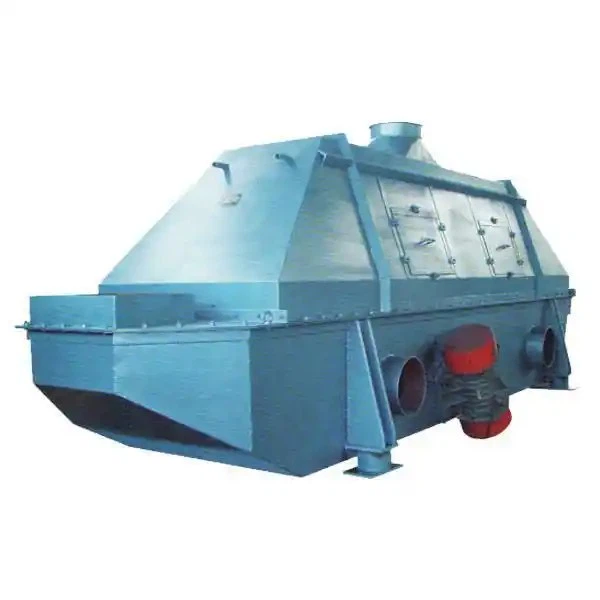

First off, what's attrition? Attrition in casting sand treatment is all about rubbing sand grains against each other. You can think of it like a gentle (or sometimes not - so - gentle) scrub - down for the sand. This process is done using different machines and setups, and it helps in a bunch of ways.
One of the main reasons we use attrition is to clean the sand. During the casting process, sand gets coated with all sorts of stuff. There's the binder that was used to hold the sand grains together to form the mold, and there are also metal oxides and other impurities that stick to the sand. These coatings can mess up the sand's properties. For example, if the binder residue isn't removed, it can affect the sand's ability to flow properly when making new molds. And metal oxides can change the sand's chemical composition, which might lead to defects in the castings.
When we use attrition, those coatings get worn off. The sand grains rub against each other, and the friction breaks down the thin layers of binder and impurities. This leaves us with cleaner sand grains that are more consistent in terms of their physical and chemical properties. Cleaner sand means better - quality molds, and better - quality molds usually result in higher - quality castings.
Another key role of attrition is to improve the shape of the sand grains. Over time, through the casting and recycling processes, sand grains can become irregularly shaped. They might have sharp edges or be all clumped together. Irregularly shaped sand grains can cause problems in mold making. For instance, they might not pack together as tightly as they should, leading to weak molds. And they can also affect the flow of molten metal during casting.
Attrition helps to round off those sharp edges and break up the clumps. As the sand grains rub against each other, the rough parts get smoothed out. This results in more spherical - shaped sand grains. Spherical sand grains have better flowability, which means they can be more easily packed into molds to create dense and uniform structures. They also allow for better heat transfer during casting, which can reduce the risk of defects like hot tears and porosity in the final castings.
Now, let's talk about how attrition fits into the overall casting sand treatment process. It's usually one of the steps in a series of treatments. After the used sand is removed from the molds, it often goes through a screening process first. You can check out our Sand Screening Machine to see how this step works. The screening removes large pieces of debris and lumps from the sand.
Next, the sand might go through a cooling process, especially if it's still hot from the casting. Our Boiling Cooling Bed is a great example of a tool used for this. Cooling the sand is important because hot sand can cause issues with the binder when making new molds.
After cooling, that's when attrition comes in. Once the sand is at the right temperature and has been screened, the attrition process starts to clean and reshape the sand grains. After attrition, the sand might go through another round of screening to remove any remaining fine particles that were created during the attrition process.
Then, the sand is ready to be reused in the mold - making process. Sometimes, it might be mixed with new sand to ensure the right properties. And if we're using a more advanced setup, we might use a Vertical Split Core Shooting Molding Line to make the molds.
But attrition isn't without its challenges. One of the main challenges is controlling the intensity of the attrition process. If we make the attrition too aggressive, we might end up breaking the sand grains into smaller pieces. This can create a lot of fine dust, which is not only a waste of sand but can also be a health hazard for the workers. On the other hand, if the attrition isn't intense enough, the coatings and irregularities on the sand grains won't be removed effectively.
To overcome these challenges, we need to carefully select the right equipment and set the right operating parameters. For example, the speed at which the sand is made to rub against each other, the duration of the attrition process, and the amount of sand being processed at once all need to be carefully considered.
In terms of the equipment used for attrition, there are different types. Some use mechanical means, like rotating drums where the sand tumbles around. Others might use air - induced movement to make the sand grains rub against each other. The choice of equipment depends on factors like the type of sand, the volume of sand being processed, and the specific requirements of the casting process.
So, in conclusion, attrition is a super important part of casting sand treatment. It helps to clean the sand, improve the shape of the sand grains, and ultimately leads to better - quality castings. Whether you're a small - scale foundry or a large industrial operation, getting the attrition process right can make a big difference in your production efficiency and the quality of your final products.
If you're in the market for casting sand treatment solutions and want to learn more about how attrition can benefit your operations, don't hesitate to reach out. We're here to help you find the best setup for your specific needs. Whether it's the right attrition equipment or a complete sand treatment system, we've got you covered. Let's have a chat and see how we can work together to improve your casting processes.
References
- Campbell, J. (2003). Castings. Butterworth - Heinemann.
- Loper, C. R., & Tighe, R. J. (1990). Principles of Metal Casting. McGraw - Hill.