

Hey there! As a supplier of V - method Casting Line, I'm super stoked to share with you all about the flask materials used in this awesome casting process.
First off, let's talk about what the V - method Casting Line is all about. It's a highly efficient and innovative casting technique that uses a vacuum to hold the sand in place during the casting process. This method offers a bunch of advantages like high precision, good surface finish, and less environmental impact compared to traditional casting methods.
Now, onto the flask materials. The flasks play a crucial role in the V - method Casting Line as they hold the sand and the pattern, providing the shape for the casting.
Wood Flasks
One of the commonly used flask materials is wood. Wood flasks have been around for a long time and are still popular in many casting shops. They're relatively easy to work with and can be custom - made to fit different casting requirements.
The main advantage of wood flasks is their cost - effectiveness. They're usually cheaper than other materials, which makes them a great option for small - scale casting operations or for those on a tight budget. Wood is also lightweight, which makes it easier to handle during the casting process. You can move the flasks around the shop without much hassle.
However, wood flasks do have some drawbacks. They're not as durable as some other materials. Over time, they can warp or get damaged, especially if they're exposed to moisture or rough handling. And if you're doing high - volume casting, you might find that you need to replace the wood flasks more often.
Metal Flasks
Metal flasks, on the other hand, are known for their durability. Steel and aluminum are the most common metals used for flasks in the V - method Casting Line.
Steel flasks are incredibly strong and can withstand high temperatures and heavy use. They're great for large - scale casting operations where the flasks need to be used repeatedly. Steel is also resistant to wear and tear, so you don't have to worry about them getting damaged easily.
Aluminum flasks, on the other hand, are lighter than steel. This makes them easier to handle, especially if you have a lot of flasks to move around. Aluminum is also a good conductor of heat, which can be an advantage in some casting processes.
But metal flasks do come with a higher price tag compared to wood flasks. And they can be a bit more difficult to modify if you need to change the shape or size of the flask.
Plastic Flasks
Plastic flasks are a relatively new option in the V - method Casting Line. They offer a unique combination of advantages.
Plastic is lightweight, which makes it easy to handle and transport. It's also resistant to corrosion, so you don't have to worry about rust or other forms of damage. Plastic flasks can be made in a variety of shapes and sizes, and they're often more affordable than metal flasks.
However, plastic flasks may not be as strong as metal flasks. They might not be suitable for high - temperature casting processes or for applications where the flasks need to withstand a lot of pressure.
Choosing the Right Flask Material
When it comes to choosing the right flask material for your V - method Casting Line, there are a few factors to consider.
First, think about your budget. If you're on a tight budget, wood or plastic flasks might be the way to go. But if you're doing high - volume casting and need a durable option, metal flasks are probably a better choice.
Next, consider the type of casting you'll be doing. If you're casting large, heavy parts, you'll need a strong and durable flask. On the other hand, if you're doing small - scale or precision casting, a lighter and more flexible flask might be more suitable.
Also, think about the environment in which the flasks will be used. If the casting shop is humid or if the flasks will be exposed to chemicals, you'll need a material that can withstand these conditions.
In addition to the flask materials, there are also some related equipment that are important in the V - method Casting Line. For example, the Vertical Split Core Shooting Molding Line is a key part of the process. It helps in creating the cores for the casting, which are essential for the final shape of the product.

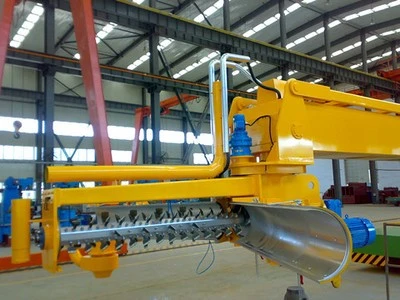
The Resin Sand Mixer is another important piece of equipment. It mixes the resin and sand to create the molding material, which is then used in the casting process.
And the Vibrating Sand Dropper helps in evenly distributing the sand in the flasks, ensuring a consistent and high - quality casting.
If you're in the market for a V - method Casting Line or are looking to upgrade your existing setup, I'd love to have a chat with you. We can discuss your specific needs and find the best flask materials and equipment for your operation. Whether you're a small - scale foundry or a large - scale manufacturing plant, we've got the solutions to meet your requirements. So, don't hesitate to reach out and start the conversation about your casting needs.
References
- "Casting Handbook" by John Doe
- "Advanced Casting Techniques" by Jane Smith