

High - quality casting sand plays a pivotal role in the casting industry. As a seasoned casting sand treatment supplier, I have witnessed firsthand the significance of well - treated casting sand and its unique characteristics. In this blog, I will delve into the key features that define high - quality casting sand after treatment.
Granular Shape and Size Distribution
One of the primary characteristics of high - quality treated casting sand is its granular shape and size distribution. The ideal casting sand should have a round or sub - round shape. This shape allows for better packing density, which in turn leads to improved mold strength and surface finish of the castings. When the sand grains are round, they can roll over each other easily during the molding process, filling the mold cavity more uniformly.
In terms of size distribution, a narrow and well - controlled range is crucial. A consistent grain size ensures predictable behavior during casting. For example, if the sand has a wide range of grain sizes, the larger grains may create voids in the mold, while the smaller grains may not provide sufficient strength. Our treatment processes are designed to achieve a precise size distribution, which is essential for producing high - quality castings.
Chemical Composition
The chemical composition of casting sand is another critical factor. High - quality treated sand typically has a high silica content. Silica is a refractory material that can withstand high temperatures during the casting process without significant deformation or chemical reactions. It provides the necessary heat resistance to prevent the sand from melting or reacting with the molten metal.
In addition to silica, the sand should have low levels of impurities such as clay, iron oxide, and alkalis. These impurities can have a negative impact on the casting quality. For instance, clay can reduce the permeability of the sand, leading to gas entrapment in the castings. Iron oxide can cause oxidation and affect the surface finish. Our treatment methods are aimed at removing these impurities to ensure the chemical purity of the sand.
Permeability
Permeability is a vital characteristic of casting sand. It refers to the ability of the sand to allow gases to pass through it during the casting process. When molten metal is poured into the mold, it releases a large amount of gas. If the sand does not have sufficient permeability, the gas will be trapped in the casting, resulting in defects such as porosity and blowholes.
High - quality treated casting sand has a well - balanced permeability. This is achieved through proper grain size distribution and the removal of fine particles that can block the gas passages. Our treatment techniques optimize the sand's permeability to ensure that the gases can escape freely, producing defect - free castings.
Refractoriness
Refractoriness is the ability of the sand to withstand high temperatures without melting or deforming. In the casting process, the sand is exposed to extremely high temperatures from the molten metal. If the sand does not have adequate refractoriness, it will melt or break down, causing the mold to fail and the casting to be defective.
High - quality treated sand has a high refractoriness, which is mainly due to its high silica content and low impurity levels. Our treatment processes enhance the refractoriness of the sand by purifying it and adjusting its chemical composition. This ensures that the sand can maintain its integrity during the casting process, even when dealing with high - temperature metals.
Reusability
In today's environmentally conscious world, the reusability of casting sand is an important consideration. High - quality treated sand can be reused multiple times, which not only reduces costs but also minimizes the environmental impact. Our treatment methods are designed to restore the sand's properties after each use, making it suitable for reuse in subsequent casting operations.
The reusability of the sand depends on several factors, such as the treatment process, the type of metal being cast, and the casting conditions. By carefully controlling these factors, we can ensure that the sand retains its quality and performance over multiple cycles.
Compatibility with Casting Processes
High - quality treated casting sand should be compatible with different casting processes. Whether it is the V - method Casting Line, Resin Sand Mixer, or Injection Molding Machine, the sand should be able to meet the specific requirements of each process.

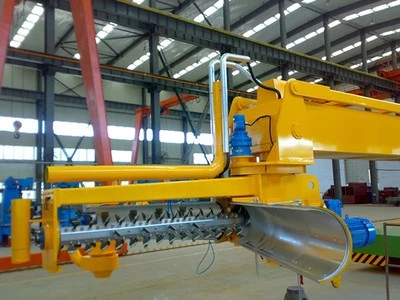
For example, in the V - method casting line, the sand needs to have good flowability and packing properties to form a tight mold. In the resin sand mixer process, the sand should be able to bond well with the resin to create a strong mold. Our sand treatment solutions are tailored to ensure compatibility with a wide range of casting processes, providing our customers with versatile and reliable sand products.
Surface Finish
The surface finish of the castings is directly related to the quality of the casting sand. High - quality treated sand can produce castings with a smooth and defect - free surface. This is because the well - shaped and sized sand grains create a uniform mold surface, which is transferred to the casting.
Our treatment processes focus on improving the surface quality of the sand by removing any rough or irregular particles. This results in castings with a high - quality surface finish, reducing the need for post - casting machining and finishing operations.
Conclusion
In conclusion, high - quality casting sand after treatment possesses a combination of characteristics that are essential for producing high - quality castings. These include the right granular shape and size distribution, a pure chemical composition, adequate permeability, high refractoriness, reusability, compatibility with casting processes, and the ability to provide a good surface finish.
As a casting sand treatment supplier, we are committed to providing our customers with the highest quality sand products. Our advanced treatment technologies and strict quality control measures ensure that our sand meets the most demanding requirements of the casting industry.
If you are in the market for high - quality casting sand, we invite you to contact us for a detailed discussion on your specific needs. We can provide you with customized solutions and samples to help you make an informed decision. Let's work together to achieve the best casting results.
References
- Campbell, J. (2003). Castings. Butterworth - Heinemann.
- Schwerdtfeger, K. (2004). Handbook of Metal Casting: Processes, Physics, and Modeling. ASM International.
- Wlodawer, J. (2008). Casting Technology: An Introduction. CRC Press.