

As a supplier of Resin Sand Mixers, I understand the critical role that accurate calibration plays in the performance and reliability of these machines. A well-calibrated measurement system ensures that the resin sand mixer produces consistent and high-quality mixtures, which is essential for successful casting operations. In this blog post, I will discuss the calibration methods for the measurement system of a Resin Sand Mixer, providing insights into the techniques and best practices that can help optimize the performance of these vital pieces of equipment.
Understanding the Measurement System of a Resin Sand Mixer
Before delving into the calibration methods, it is important to understand the components of the measurement system in a Resin Sand Mixer. The measurement system typically includes sensors for measuring various parameters such as sand flow rate, resin flow rate, hardener flow rate, and temperature. These sensors provide real-time data that is used to control the mixing process and ensure that the desired proportions of sand, resin, and hardener are achieved.
The accuracy of these sensors is crucial for the quality of the final mixture. Any deviation in the measured values can lead to inconsistent mixing, which can result in defective castings. Therefore, regular calibration of the measurement system is necessary to maintain its accuracy and reliability.
Calibration Methods for the Measurement System
1. Flow Rate Calibration
- Volumetric Method: This is one of the most common methods for calibrating the flow rate sensors of a Resin Sand Mixer. In this method, a known volume of sand, resin, or hardener is collected over a specific period of time. The actual flow rate is then calculated by dividing the volume by the time. The measured flow rate is compared with the setpoint value, and any discrepancies are adjusted by calibrating the flow control valves or pumps.
- Mass Method: Similar to the volumetric method, the mass method involves measuring the mass of the material (sand, resin, or hardener) collected over a specific time period. The actual flow rate is calculated by dividing the mass by the time. This method is more accurate than the volumetric method, especially for materials with varying densities.
2. Temperature Calibration
- Reference Thermometer Method: To calibrate the temperature sensors in a Resin Sand Mixer, a reference thermometer with a known accuracy is used. The reference thermometer is placed in close proximity to the sensor being calibrated, and the temperatures are measured simultaneously. Any difference between the readings is used to adjust the calibration of the sensor.
- Calibration Bath Method: In this method, the temperature sensor is immersed in a calibration bath with a precisely controlled temperature. The sensor's reading is compared with the known temperature of the bath, and any discrepancies are corrected.
3. Proportioning Calibration
- Sample Analysis Method: This method involves taking samples of the mixed resin sand and analyzing them to determine the actual proportions of sand, resin, and hardener. The results are compared with the desired proportions, and the calibration of the measurement system is adjusted accordingly.
- Continuous Monitoring and Adjustment: Some modern Resin Sand Mixers are equipped with continuous monitoring systems that can detect and correct any deviations in the proportioning of the materials in real-time. These systems use advanced algorithms and feedback control to ensure that the correct proportions are maintained throughout the mixing process.
Importance of Regular Calibration
Regular calibration of the measurement system of a Resin Sand Mixer is essential for several reasons:
- Quality Assurance: Accurate calibration ensures that the resin sand mixture has the correct proportions of sand, resin, and hardener, which is crucial for the quality of the castings. Consistent mixtures result in fewer defects and higher-quality products.
- Process Optimization: A well-calibrated measurement system allows for better control of the mixing process, leading to improved efficiency and productivity. It helps in reducing waste and minimizing the need for rework.
- Compliance: In many industries, there are strict quality standards and regulations that require the measurement systems of equipment to be regularly calibrated. By adhering to these requirements, companies can avoid legal issues and maintain their reputation.
Related Equipment and Their Calibration
In addition to the Resin Sand Mixer, other equipment in the casting sand treatment process also require calibration. For example, the V-method Casting Line and the Boiling Cooling Bed play important roles in the casting process, and their measurement systems need to be calibrated to ensure optimal performance.

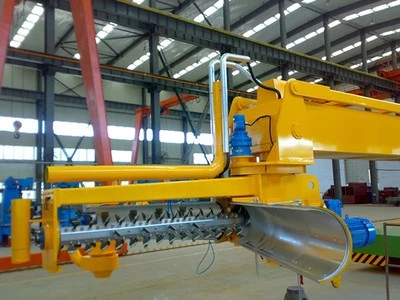
The V-method Casting Line involves precise control of vacuum pressure and sand compaction, which requires accurate calibration of pressure sensors and other measurement devices. Similarly, the Boiling Cooling Bed needs to maintain a consistent temperature and airflow, necessitating the calibration of temperature and flow sensors.
Conclusion
Calibration of the measurement system of a Resin Sand Mixer is a critical aspect of ensuring the quality and efficiency of the casting process. By using the appropriate calibration methods and conducting regular calibrations, companies can optimize the performance of their equipment, reduce costs, and improve the quality of their products.
If you are in the market for a high-quality Resin Sand Mixer or need assistance with calibration and maintenance, we are here to help. Our team of experts has extensive experience in the field of casting sand treatment and can provide you with the best solutions for your specific needs. Contact us today to discuss your requirements and explore how we can support your business.
References
- Smith, J. (2018). Calibration Techniques for Industrial Measurement Systems. Industrial Measurement Journal, 15(2), 34 - 42.
- Johnson, A. (2019). Optimizing the Performance of Resin Sand Mixers through Calibration. Casting Technology Review, 22(3), 56 - 63.