

In the realm of lost foam casting, the production cycle is a critical factor that directly impacts efficiency and cost-effectiveness. As a seasoned Lost Foam Sand Treatment supplier, I've witnessed firsthand how optimizing sand treatment processes can significantly shorten the production cycle of lost foam castings. In this blog, I'll share some insights and strategies on how to achieve this goal.
Understanding the Role of Sand Treatment in Lost Foam Casting
Before delving into the strategies for shortening the production cycle, it's essential to understand the role of sand treatment in lost foam casting. In lost foam casting, the sand serves as the mold material, providing support and shape to the casting. The quality of the sand and the effectiveness of the sand treatment process directly affect the quality of the castings and the overall production efficiency.
Proper sand treatment involves several key steps, including sand screening, cooling, and mixing. Each of these steps plays a crucial role in ensuring that the sand is in the optimal condition for use in the casting process. By optimizing these steps, we can reduce the time and effort required for casting production and improve the quality of the final products.
Optimizing Sand Screening
Sand screening is the first step in the sand treatment process, and it plays a vital role in removing impurities and ensuring the uniformity of the sand particles. A high-quality Sand Screening Machine can significantly improve the efficiency of this process.
When selecting a sand screening machine, it's important to consider factors such as screening efficiency, capacity, and durability. A machine with a high screening efficiency can quickly separate the sand particles of different sizes, ensuring that only the appropriate-sized sand is used in the casting process. This not only improves the quality of the castings but also reduces the risk of defects caused by uneven sand distribution.
In addition to selecting the right equipment, proper maintenance of the sand screening machine is also crucial. Regular cleaning and inspection can prevent blockages and ensure the smooth operation of the machine. By optimizing the sand screening process, we can reduce the time spent on sand preparation and improve the overall production cycle.

Efficient Sand Cooling
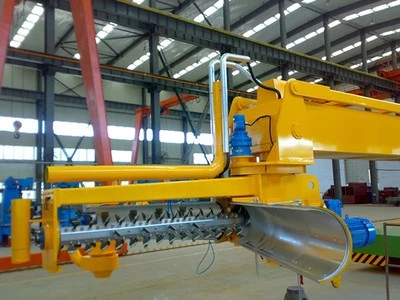
After screening, the sand needs to be cooled to the appropriate temperature before it can be used in the casting process. A Boiling Cooling Bed is an effective solution for achieving rapid and uniform sand cooling.
The boiling cooling bed uses a fluidized bed technology to cool the sand. Hot sand is fed into the bed, and a stream of air is passed through the sand particles, causing them to behave like a fluid. This allows for efficient heat transfer and rapid cooling of the sand. The use of a boiling cooling bed can significantly reduce the cooling time compared to traditional cooling methods, thereby shortening the production cycle.
To further improve the efficiency of sand cooling, it's important to optimize the operating parameters of the boiling cooling bed, such as air flow rate and sand feeding rate. Additionally, proper insulation of the cooling bed can reduce heat loss and improve energy efficiency. By ensuring that the sand is cooled quickly and uniformly, we can minimize the waiting time between casting operations and increase the overall production speed.
High - Quality Sand Mixing
Once the sand is screened and cooled, it needs to be mixed with additives to achieve the desired properties for the casting process. A Resin Sand Mixer is used for this purpose.
A high - quality resin sand mixer can ensure thorough and uniform mixing of the sand and additives. This is crucial for achieving consistent casting quality. The mixer should be able to handle different types of sand and additives and provide a homogeneous mixture.
When using a resin sand mixer, it's important to control the mixing time, speed, and the ratio of sand to additives. Over - mixing or under - mixing can lead to poor casting quality. By optimizing the sand mixing process, we can ensure that the sand is ready for use in the casting process as quickly as possible, reducing the overall production cycle.
Integration of Sand Treatment Processes
In addition to optimizing each individual sand treatment step, integrating these processes can also lead to significant improvements in the production cycle. A well - designed sand treatment system can automate the flow of sand from one process to another, reducing manual handling and minimizing the time between steps.
For example, a fully integrated system can transfer the screened sand directly to the cooling bed and then to the mixer without the need for intermediate storage or manual transfer. This not only saves time but also reduces the risk of contamination and damage to the sand.
By investing in an integrated sand treatment system, foundries can achieve a more streamlined production process, leading to shorter production cycles and increased productivity.
Monitoring and Quality Control
Monitoring and quality control are essential aspects of sand treatment in lost foam casting. Regular testing of the sand properties, such as particle size distribution, moisture content, and chemical composition, can help ensure that the sand meets the required standards.
By implementing a strict quality control system, we can identify and address any issues in the sand treatment process promptly. This can prevent the production of defective castings and reduce the need for rework, which can significantly shorten the production cycle.
Conclusion
Shortening the production cycle of lost foam castings through sand treatment is a multi - faceted challenge that requires a comprehensive approach. By optimizing sand screening, cooling, and mixing processes, integrating these processes, and implementing strict monitoring and quality control, foundries can achieve significant improvements in production efficiency.
As a Lost Foam Sand Treatment supplier, I'm committed to providing high - quality equipment and solutions to help foundries achieve these goals. If you're interested in learning more about how our sand treatment products can help you shorten your production cycle, please feel free to contact us for a detailed discussion and procurement negotiation.
References
- Campbell, J. (2003). Castings. Butterworth - Heinemann.
- Flemings, M. C. (1974). Solidification Processing. McGraw - Hill.
- Whelan, T. (2011). Metal Casting: A Practical Guide. Elsevier.