


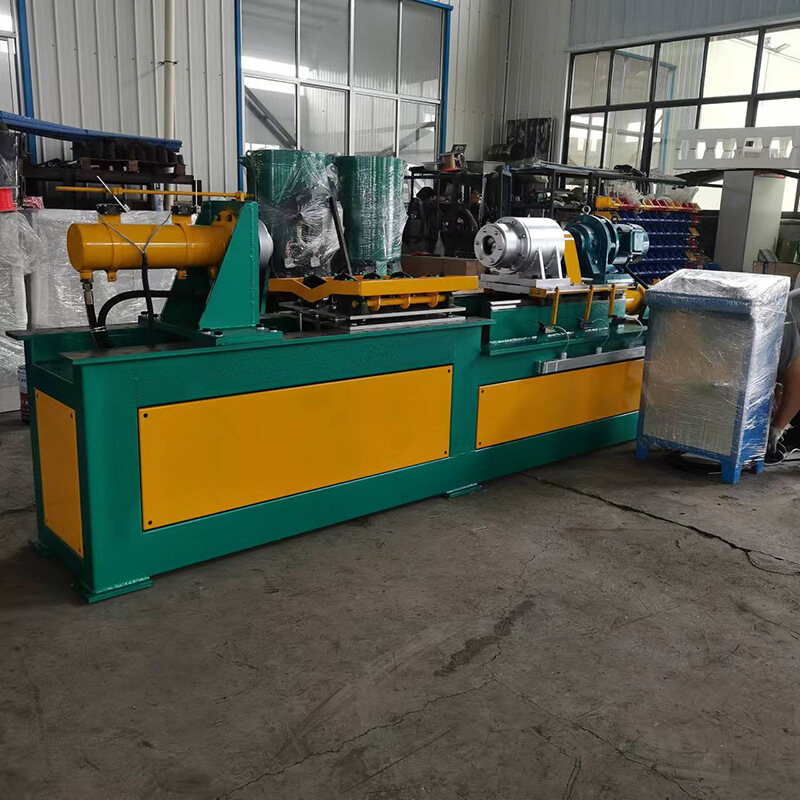
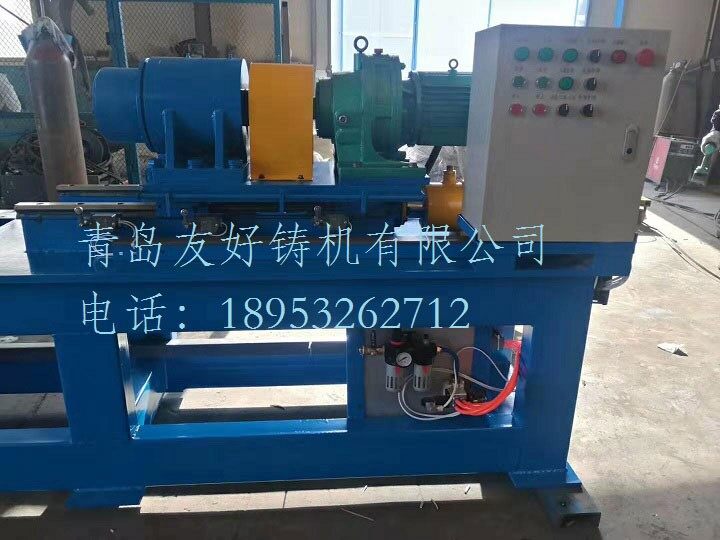
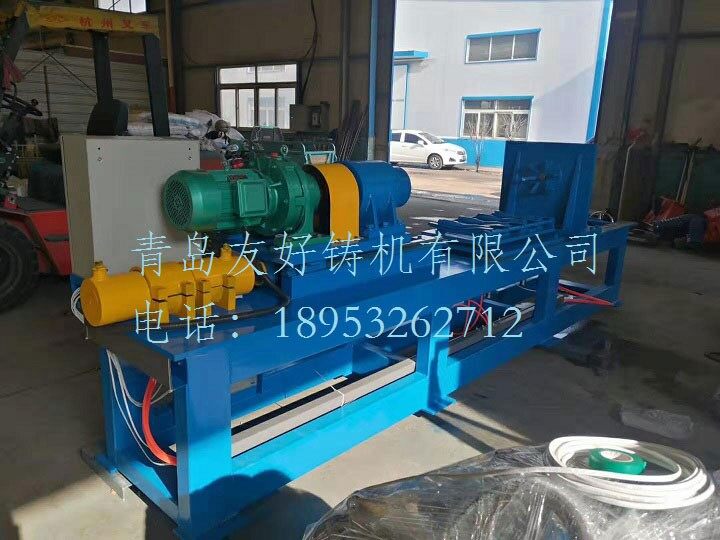
The Cylinder Rivet Neck Machine (Cylinder Rivet Neck Ring Equipment) is a specialized device utilized by gas cylinder manufacturers for the purpose of riveting neck rings onto gas cylinders.
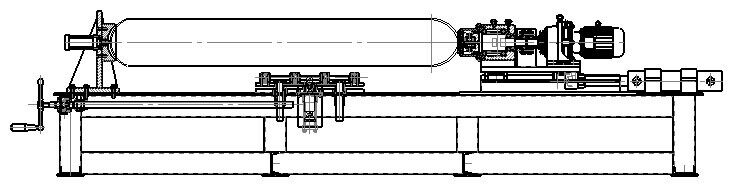
The Cylinder Rivet Neck Ring Equipment features a horizontal structure, which facilitates logistics and transportation of workpieces. It comprises a bed, a hydraulic positioning mechanism, a hydraulic station, a rivet neck power head system, an electrical control system, and other components.
Process Flow of the Cylinder Rivet Neck Machine
1. Gas cylinders are conveyed into position via a roller conveyor.
2. The lifting mechanism raises the gas cylinders to the center position.
3. The power head rotates to align with the cylinder.
4. The hydraulic cylinder drives the power head forward at high speed.
5. The hydraulic cylinder then drives the power head forward at low speed for precise positioning.
6. The riveting process lasts 3 to 5 seconds.
7. The hydraulic cylinder drives the power head back at high speed.
8. The cylinder pushes the gas cylinders out from the positioning disc.
9. The lifting mechanism returns to its original position.
10. The flipping frame discharges the gas cylinders.
11. The above sequence is repeated continuously.
Gas Cylinder Parameters
- Length: 830–2200 mm
- Diameter: ≤406 mm
- Weight: ≤220 kg
On-Site Working Environment
- Relative Humidity: ≤85%
- Compressed Air Supply: 0.4–0.7 MPa
Technical Specifications and Requirements for Cylinder Neck Riveting Machines
- Production Program for Neck Ring Riveting: 8 hours per shift, 2 shifts per day, 252 days per year.
- Production Rate: 60 pieces per hour (including loading and unloading time).
- Hydraulic System Pressure: 16 MPa.
- Rivet Neck Power Head: Power Output: 1.5 kW.
- Rolling Riveted Joint: Double Rolling Wheel Structure.
- Hydraulic Station Power: 18.5 kW.
- Air Source Pressure: 0.6–0.7 MPa.
- Total Power Consumption: 20.1 kW.
Technical Requirements for the Cylinder Riveting Neck Machine Process
1. The machine operates under manual control. Limit switches are installed at appropriate positions on each cylinder and moving part to ensure continuous cyclic operation.
2. The rollers supporting the bottle body are height-adjustable, accommodating different diameters of gas cylinders for neck ring riveting.
3. The neck ring must be securely assembled onto the bottle body without looseness or misalignment.
4. The four neck rings must withstand radial forces equivalent to at least ten times the weight of an empty bottle without detachment.
5. The neck ring must endure a torque of at least 300 Nm.
6. No sharp burrs should appear at the riveting joints.
7. The hydraulic system employs air cooling.
8. Manual operation buttons are provided for loading and unloading processes.


