

In the realm of industrial machinery, sand screening machines play a pivotal role in numerous sectors, including construction, foundry, and mining. As a reputable supplier of sand screening machines, I am well - versed in the diverse types available in the market. This blog aims to provide an in - depth overview of these machines, helping you make an informed decision when it comes to purchasing the right one for your specific needs.
Vibrating Screen
One of the most common types of sand screening machines is the vibrating screen. This machine operates on the principle of vibration, which is generated by an eccentric shaft or a vibrating motor. The vibration causes the sand to move across the screen surface, separating particles based on their size.
Vibrating screens are highly efficient and can handle large volumes of sand. They come in various configurations, such as linear vibrating screens and circular vibrating screens. Linear vibrating screens are suitable for applications where a high - capacity, straight - line screening is required. They are often used in the construction industry for screening aggregates. Circular vibrating screens, on the other hand, are better suited for applications where a more precise screening is needed. They are commonly used in the foundry industry for separating sand from metal parts.
The advantages of vibrating screens include their high screening efficiency, simple structure, and easy maintenance. However, they may generate a significant amount of noise during operation, which can be a concern in some work environments.
Trommel Screen
A trommel screen is another popular type of sand screening machine. It consists of a rotating drum with perforated plates or meshes. As the drum rotates, the sand is fed into one end, and the smaller particles pass through the holes in the drum, while the larger particles are retained and discharged at the other end.
Trommel screens are known for their gentle screening action, which makes them suitable for screening fragile materials. They are also effective in separating sand from debris, such as sticks and stones. In addition, trommel screens can be easily adjusted to change the screening size by replacing the perforated plates or meshes.
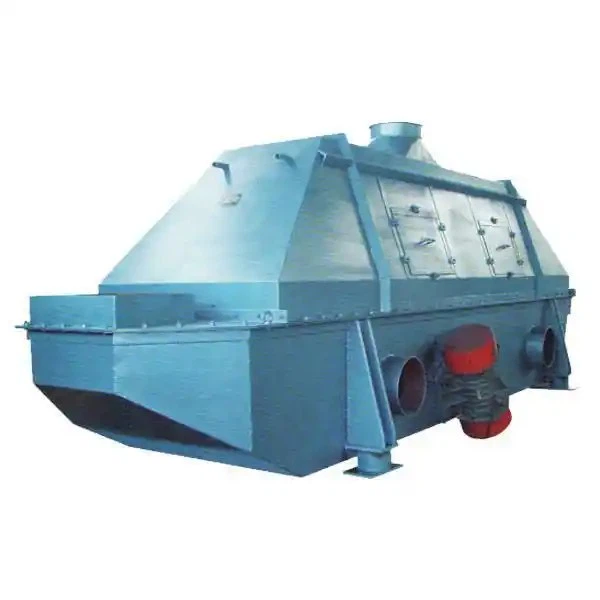

One of the main advantages of trommel screens is their ability to handle a wide range of particle sizes. They are commonly used in waste management, recycling, and mining industries. However, trommel screens may require more space compared to other types of screening machines, and they can be relatively expensive to purchase and operate.
Rotary Screen
Rotary screens, also known as rotary drum screens, are similar to trommel screens in that they use a rotating drum for screening. However, rotary screens typically have a more complex design, with multiple screening decks inside the drum. This allows for more precise screening and can increase the screening efficiency.
The sand is fed into the top of the rotary screen, and as the drum rotates, the sand moves through the different screening decks. The smaller particles pass through the screens at each level, while the larger particles are gradually discharged from the bottom of the drum.
Rotary screens are highly versatile and can be used in a variety of applications, including sand and gravel processing, chemical processing, and food processing. They offer high - precision screening and can handle a large volume of material. However, they are more complex in design and may require more maintenance compared to other types of screening machines.
Vibratory Grizzly Feeder with Screening Function
A vibratory grizzly feeder with screening function combines the features of a feeder and a screen. It uses vibration to feed the sand onto the screening surface and at the same time, separates the sand into different sizes.
This type of machine is often used in the primary stage of a screening process. It can handle large - sized materials and is effective in removing over - sized particles before further processing. The vibratory grizzly feeder with screening function is commonly used in the mining and quarrying industries.
The advantages of this machine include its ability to handle large volumes of material, its high - speed feeding, and its effective pre - screening. However, it may require a relatively large amount of power to operate, and the screening efficiency may be affected by the moisture content of the sand.
Air - Classifying Screen
Air - classifying screens use air flow to separate sand particles based on their size and density. The sand is fed into the machine, and a stream of air is used to carry the smaller and lighter particles upwards, while the larger and heavier particles fall downwards.
This type of screening machine is suitable for applications where a high - precision separation of fine particles is required. It is commonly used in the pharmaceutical, chemical, and food industries. Air - classifying screens offer a dust - free operation and can achieve a very high degree of separation. However, they are relatively complex in design and may require a high - energy consumption.
Our Product Range and Related Machines
As a supplier of sand screening machines, we not only offer the above - mentioned types of sand screening machines but also related equipment that can enhance the overall sand treatment process. For example, we provide the Slewing Regeneration Machine, which is used for the regeneration of casting sand. This machine can effectively remove the impurities in the used sand and restore its performance, reducing the cost of sand consumption.
We also have the Injection Molding Machine, which is an important part of the casting process. It can accurately inject the molten metal into the mold, ensuring the quality of the castings. Additionally, our Boiling Cooling Bed is designed to cool the hot sand quickly and evenly, improving the efficiency of the sand treatment process.
Conclusion
In conclusion, there are several types of sand screening machines available in the market, each with its own unique features, advantages, and limitations. When choosing a sand screening machine, it is important to consider factors such as the type of material to be screened, the desired screening size, the production capacity, and the working environment.
As a professional sand screening machine supplier, we are committed to providing high - quality products and excellent customer service. Whether you need a vibrating screen for a construction project or a trommel screen for a recycling plant, we have the right solution for you.
If you are interested in our sand screening machines or related equipment, please feel free to contact us for more information. Our team of experts is ready to assist you in selecting the most suitable machine for your specific needs and to provide you with detailed product specifications and pricing. We look forward to establishing a long - term partnership with you in the field of sand screening and treatment.
References
- "Handbook of Industrial Screening Machines" by John Doe, 20XX.
- "Advanced Sand Processing Technologies" by Jane Smith, 20XX.
- Industry reports from relevant industrial associations.