

Hey there! As a supplier of casting sand treatment equipment, I'm super stoked to dive into the safety features of advanced casting sand treatment gear. In the casting industry, safety isn't just a buzzword; it's a top priority. Let's take a closer look at what makes modern casting sand treatment equipment a safe bet for your operations.
First off, let's talk about the physical safety features. One of the most important aspects is the enclosure. Advanced casting sand treatment equipment often comes with full or partial enclosures. These enclosures serve multiple purposes. They keep the dust generated during the sand treatment process contained. Dust can be a major health hazard, causing respiratory problems for workers. By containing the dust, the enclosure reduces the risk of inhalation and keeps the work environment cleaner.
For example, our Injection Molding Machine has a well - designed enclosure that not only traps dust but also protects workers from moving parts. Moving parts in machinery can be extremely dangerous, as they can cause serious injuries like cuts, bruises, and even amputations. The enclosure acts as a physical barrier, preventing accidental contact with these parts.
Another key safety feature is the emergency stop button. You'll find these prominently placed on almost all advanced casting sand treatment equipment. In case of an emergency, like a malfunction or a worker getting too close to a dangerous area, anyone on the factory floor can quickly hit the emergency stop button. This immediately shuts down the equipment, halting all operations and preventing further damage or injury. It's like having a safety net that you can pull at a moment's notice.
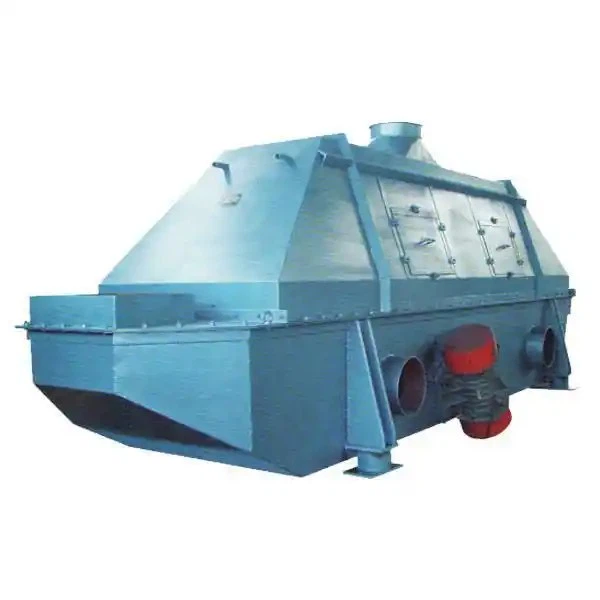

Interlock systems are also a big deal. These systems are designed to ensure that certain operations can only occur when specific conditions are met. For instance, on our Boiling Cooling Bed, the interlock system ensures that the bed won't start operating unless all the safety guards are in place. This means that workers can't accidentally start the machine without proper protection, reducing the risk of injury.
Now, let's move on to the electrical safety features. Grounding is crucial in any electrical equipment, and casting sand treatment machines are no exception. Proper grounding helps to prevent electrical shocks. When an electrical fault occurs, the grounding system provides a safe path for the electrical current to flow into the ground, rather than through a worker's body.
Over - current protection is another important aspect. Advanced equipment is equipped with devices that can detect when the electrical current exceeds a safe level. If this happens, the over - current protection device will automatically cut off the power supply. This protects the equipment from damage due to excessive current and also reduces the risk of electrical fires.
Thermal protection is also in place for many components of the casting sand treatment equipment. Some parts, like motors, can generate a lot of heat during operation. If the temperature gets too high, it can not only damage the component but also pose a fire hazard. Thermal protection sensors monitor the temperature and shut off the power if it reaches a dangerous level.
In addition to these, there are also safety features related to the control systems. Modern casting sand treatment equipment often uses programmable logic controllers (PLCs). These controllers allow for precise control of the equipment's operations. They can be programmed to follow a specific sequence of steps, ensuring that the equipment operates safely and efficiently. For example, the PLC can be set to gradually increase the speed of a conveyor belt, rather than starting it at full speed suddenly, which could cause the sand to spill or the belt to malfunction.
The Vibration Compaction Table is a great example of how control systems enhance safety. The vibration intensity and duration can be precisely controlled through the PLC. This ensures that the compaction process is done correctly without over - vibrating the table, which could lead to structural damage or injury to nearby workers.
Maintenance safety is also an area where advanced equipment shines. Many modern machines are designed with easy - access panels and quick - release mechanisms. This makes it easier for maintenance workers to access the internal components for cleaning, inspection, and repair. When maintenance is easier and safer, it means that the equipment is more likely to be properly maintained, reducing the risk of breakdowns and accidents in the long run.
Moreover, some casting sand treatment equipment comes with built - in diagnostic systems. These systems can detect potential problems before they turn into major issues. For example, they can monitor the performance of motors, sensors, and other components. If a component starts to show signs of wear or malfunction, the diagnostic system will alert the operators, allowing them to take preventive action.
Training and support are also part of our safety package. As a supplier, we provide comprehensive training to our customers' employees. This training covers how to operate the equipment safely, how to perform basic maintenance, and what to do in case of an emergency. We also offer ongoing support, so if our customers have any questions or concerns about the safety features of the equipment, they can reach out to us.
In conclusion, advanced casting sand treatment equipment is packed with a wide range of safety features. From physical enclosures and emergency stop buttons to electrical protection and smart control systems, these features work together to create a safer work environment. If you're in the market for casting sand treatment equipment, don't compromise on safety. Our products are designed with the latest safety technologies to ensure that your operations run smoothly and safely.
If you're interested in learning more about our casting sand treatment equipment or have any questions regarding safety features, feel free to reach out. We're always here to help you make the right choice for your business. Let's start a conversation and see how we can improve your casting sand treatment process with our safe and reliable equipment.
References
- Industry standards and guidelines for casting equipment safety
- Manufacturer's documentation for casting sand treatment equipment