

What is the bonding strength of the resin sand in a Resin Sand Production Line?
As a reliable supplier of Resin Sand Production Lines, I've witnessed the transforming power of resin sand technology across various industries. Today, I'd like to delve into a crucial aspect of resin sand: its bonding strength. Understanding this characteristic is essential for optimizing the performance of a Resin Sand Production Line and ensuring high - quality casting results.
1. The Concept of Bonding Strength in Resin Sand
Bonding strength refers to the ability of resin sand to hold its shape and resist external forces during the casting process. It is a measure of how well the resin binder adheres to the sand grains and how effectively it can maintain the integrity of the sand mold. In a Resin Sand Production Line, the bonding strength directly impacts the mold's ability to withstand the pressure of molten metal, prevent sand erosion, and produce accurate and defect - free castings.
There are two main types of bonding strength in resin sand: green strength and final strength. Green strength is the strength of the resin sand immediately after molding. It is crucial for maintaining the shape of the mold during handling and transportation before the resin is fully cured. Final strength, on the other hand, is the strength achieved after the resin has completely cured. This strength is responsible for withstanding the high - temperature and high - pressure environment during the pouring of molten metal.
2. Factors Affecting the Bonding Strength of Resin Sand
Resin Type and Content
The type of resin used in the Resin Sand Production Line plays a significant role in determining the bonding strength. Different resins have different chemical compositions and curing mechanisms, which result in varying levels of bonding strength. For example, phenolic resins are known for their high - temperature resistance and strong bonding properties, making them suitable for applications where high - strength molds are required.
The resin content also has a direct impact on the bonding strength. Generally, increasing the resin content within a certain range can enhance the bonding strength. However, excessive resin content can lead to problems such as increased cost, longer curing time, and potential environmental issues. Therefore, it is necessary to find an optimal resin content that balances the bonding strength requirements and other factors.
Sand Quality
The quality of the sand used in the resin sand mixture is another important factor. The particle size, shape, and surface properties of the sand grains can affect the bonding between the resin and the sand. Well - rounded sand grains with a narrow particle size distribution tend to have better flowability and packing density, which can improve the bonding strength. Additionally, clean sand with low levels of impurities can ensure better adhesion between the resin and the sand grains.
Curing Conditions
The curing conditions, including temperature, time, and humidity, have a profound influence on the bonding strength of resin sand. Proper curing is essential for the resin to form a strong bond with the sand grains. For example, in a hot - box process, the resin sand is heated to a specific temperature to initiate the curing reaction. If the temperature is too low or the curing time is too short, the resin may not fully cure, resulting in low bonding strength. On the other hand, if the temperature is too high or the curing time is too long, the resin may over - cure, leading to brittleness and reduced bonding strength.
3. Measuring the Bonding Strength of Resin Sand
There are several methods for measuring the bonding strength of resin sand. One common method is the tensile strength test, which measures the maximum tensile force that a resin sand specimen can withstand before breaking. Another method is the compressive strength test, which measures the maximum compressive force that a specimen can bear. These tests are usually carried out using specialized testing equipment in a laboratory environment.
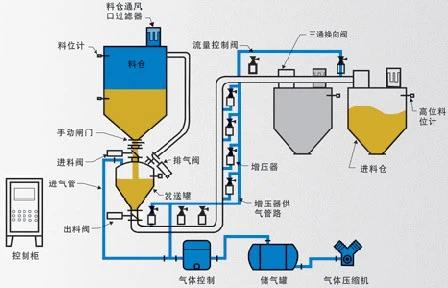
In a Resin Sand Production Line, it is also important to conduct in - process quality control to ensure that the bonding strength of the resin sand meets the required standards. This can be achieved by regularly sampling the resin sand and performing on - site tests. By monitoring the bonding strength during the production process, any potential issues can be detected early, and appropriate adjustments can be made to the production parameters.
4. Importance of Bonding Strength in a Resin Sand Production Line
The bonding strength of resin sand is crucial for the overall performance of a Resin Sand Production Line. High - strength resin sand can produce molds with better dimensional accuracy and surface finish, which can improve the quality of the castings. It can also reduce the occurrence of casting defects such as sand inclusions, blowholes, and misruns.
Moreover, strong bonding strength allows for more complex mold designs, enabling the production of intricate castings. This is particularly important in industries such as automotive, aerospace, and machinery manufacturing, where high - precision components are required.
5. Enhancing the Bonding Strength in a Resin Sand Production Line
To enhance the bonding strength of resin sand in a Resin Sand Production Line, several measures can be taken. Firstly, selecting the appropriate resin type and optimizing the resin content is essential. This requires a good understanding of the specific requirements of the casting process and the characteristics of different resins.
Secondly, ensuring the quality of the sand is crucial. Using high - quality sand with proper particle size and shape can improve the bonding between the resin and the sand. Additionally, proper sand preparation, such as washing and drying, can remove impurities and improve the surface properties of the sand grains.
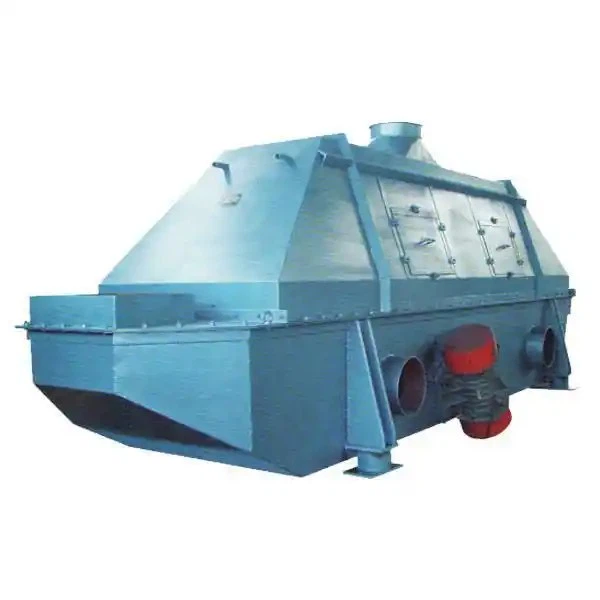
Thirdly, controlling the curing conditions accurately is necessary. This may involve using advanced heating and cooling equipment, such as Injection Molding Machine and Boiling Cooling Bed, to ensure that the resin sand is cured under optimal conditions.
Finally, implementing a comprehensive quality control system can help maintain the consistency of the bonding strength. Regular testing and monitoring of the resin sand properties can identify any deviations from the standard and allow for timely adjustments.
6. Conclusion and Call to Action
In conclusion, the bonding strength of resin sand is a critical factor in a Resin Sand Production Line. It affects the quality of the castings, the efficiency of the production process, and the overall competitiveness of the casting industry. As a supplier of Resin Sand Production Lines, we are committed to providing our customers with high - quality equipment and solutions to optimize the bonding strength of resin sand.
If you are interested in learning more about our Resin Sand Production Lines or have any questions regarding the bonding strength of resin sand, please feel free to contact us. We are ready to have in - depth discussions with you and provide you with the best solutions for your specific needs. Let's work together to achieve high - quality casting results and drive the development of your business.
References
- "Foundry Sand Technology" by R. K. Ray
- "Resin - Bonded Sand Systems" by P. K. Mukherjee
- Industry reports on casting sand treatment and resin sand technology