

As a steel balls supplier, I often get asked how to quickly evaluate the quality of steel balls. It's a crucial question, especially for those in industries like manufacturing, automotive, and construction, where the performance of steel balls can significantly impact the overall efficiency and quality of the end - product. Here, I'll share some practical tips on how you can assess the quality of steel balls in a relatively short time.
Visual Inspection
The first step in evaluating steel balls is a simple visual check. Grab a handful of steel balls and spread them out on a clean, well - lit surface. Look for any obvious signs of damage, such as cracks, chips, or pits. These surface defects can weaken the ball's structure and lead to premature failure.
Also, check the surface finish. High - quality steel balls should have a smooth and uniform surface. Rough or uneven surfaces can cause friction and wear, which is a big no - no in most applications. If you notice any discoloration, it might indicate issues with the heat treatment process, which can affect the ball's hardness and durability.
Size and Roundness
Accurate size and roundness are essential for the proper functioning of steel balls. You can use a simple caliper to measure the diameter of the balls. Compare the measured values with the specified size. A deviation of more than a few micrometers could be a sign of poor manufacturing quality.
To check the roundness, you can roll the balls on a flat, smooth surface. High - quality balls should roll straight and smoothly without any wobbling. Any significant wobbling indicates that the ball is not perfectly round, which can cause problems in applications that require precise movement, like bearings.
Hardness Testing
Hardness is a key factor in determining the quality of steel balls. A hard ball can withstand more pressure and wear, making it more suitable for heavy - duty applications. You can use a portable hardness tester to quickly check the hardness of the steel balls.
There are different scales for measuring hardness, such as Rockwell and Brinell. Make sure you know which scale is appropriate for your type of steel ball. By testing a few balls from a batch, you can get a general idea of the overall hardness of the batch. If the hardness values vary widely within the batch, it could mean inconsistent manufacturing quality.
Material Analysis
While it might not be possible to do a full - scale material analysis in a short time, you can still get some clues about the material quality. One simple method is to use a magnet. Most steel balls are magnetic, but the strength of the magnetic attraction can give you an idea of the material composition.
If the ball is strongly attracted to the magnet, it likely contains a high percentage of ferromagnetic elements like iron. However, if the attraction is weak, it could indicate the presence of non - ferromagnetic elements or impurities, which can affect the ball's performance.
Compatibility with Equipment
Another important aspect is to consider how the steel balls will perform in your specific equipment. For example, if you're using them in a shot - blasting device, you need to ensure they are compatible with the Wear - resistant Parts Of Shot Blasting Device. The size, hardness, and material of the balls should match the requirements of the device to ensure optimal performance.
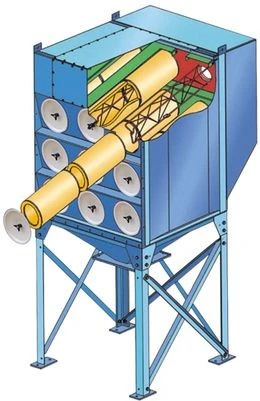
Similarly, if you're using them in a dust - collecting system, like a Filter Cartridge Dust Collector or a Rotary Back - blowing Bag Dust Collector, you need to make sure they won't cause any damage or clogging in the system.
Batch Consistency
A good quality batch of steel balls should be consistent in terms of size, hardness, and surface finish. You can take random samples from different parts of the batch and test them. If the results are consistent, it's a good sign that the manufacturer has strict quality control processes in place.
On the other hand, if there are significant variations between the samples, it could mean that the batch is of poor quality, and you might want to avoid using it.
Reputation of the Supplier
Last but not least, consider the reputation of the steel balls supplier. A reliable supplier is more likely to provide high - quality products. You can check online reviews, ask for references, or look at the supplier's history in the industry.
As a steel balls supplier myself, I understand the importance of providing top - notch products. I've invested in state - of - the - art manufacturing equipment and strict quality control measures to ensure that every batch of steel balls I supply meets the highest standards.
If you're in the market for high - quality steel balls and want to evaluate the products quickly and effectively, I'm here to help. Whether you have questions about the testing methods or need assistance in choosing the right type of steel balls for your application, feel free to reach out. We can start a discussion about your specific requirements and see how our steel balls can fit the bill. Let's have a chat and explore the possibilities of a successful business partnership.

References
- "Handbook of Steel Balls Manufacturing"
- "Materials Science for Engineering Applications"
- Industry reports on steel ball quality standards