

Hey there! I'm a supplier of wet dust collectors, and I know firsthand how crucial it is to pick the right one for your needs. In this blog, I'll share some tips and insights to help you make an informed decision.
Understanding Your Dust Collection Needs
First things first, you need to understand the type of dust you're dealing with. Different industries generate different kinds of dust, and each type has its own characteristics. For example, woodworking shops produce fine wood dust, while metalworking facilities generate metal shavings and dust. Chemical plants may have hazardous dust particles that require special handling.
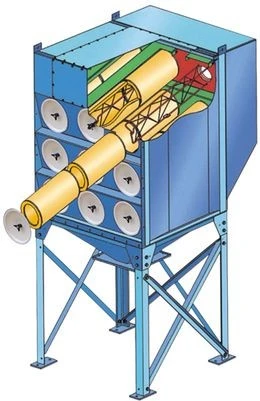

The volume of dust is another important factor. If you have a high-volume dust-generating process, you'll need a more powerful dust collector. On the other hand, if the dust production is relatively low, a smaller unit might be sufficient.
Types of Wet Dust Collectors
There are several types of wet dust collectors available on the market. The most common ones include venturi scrubbers, packed bed scrubbers, and spray towers.
- Venturi Scrubbers: These are highly efficient in removing fine dust particles. They work by forcing the dusty air through a narrow throat, where it mixes with a high-velocity water spray. The water droplets capture the dust particles, and the mixture is then separated in a settling chamber. Venturi scrubbers are great for applications where high collection efficiency is required, such as in chemical and pharmaceutical industries. You can learn more about Wet Dust Collector on our website.
- Packed Bed Scrubbers: In a packed bed scrubber, the dusty air passes through a bed of packing material, such as plastic or ceramic rings. The packing material provides a large surface area for the water to spread out, increasing the contact between the water and the dust particles. This type of scrubber is effective for removing both fine and coarse dust and is commonly used in industries like food processing and mining.
- Spray Towers: Spray towers are relatively simple in design. They consist of a vertical tower where water is sprayed from the top, and the dusty air enters from the bottom. The water droplets fall through the air, capturing the dust particles as they go. Spray towers are suitable for applications where the dust load is not too high and where a low-pressure drop is required.
Considerations for Selection
Now that you know the different types of wet dust collectors, here are some other factors to consider when making your choice:
1. Efficiency
The efficiency of a dust collector is measured by its ability to remove dust particles from the air. You want a collector that can achieve a high collection efficiency, especially if you're dealing with hazardous or fine dust. Look for collectors with a high removal efficiency rating, usually expressed as a percentage.
2. Maintenance
Maintenance is an important aspect of any equipment. You'll want a wet dust collector that is easy to maintain. This includes features like easy access to internal components for cleaning and inspection, and a design that minimizes the risk of clogging. Some collectors come with self-cleaning mechanisms, which can significantly reduce maintenance time and effort.
3. Cost
Cost is always a consideration. You need to balance the initial purchase price of the dust collector with its long-term operating costs. A more expensive collector may have a higher upfront cost but could save you money in the long run due to lower energy consumption and less frequent maintenance.
4. Compatibility with Other Equipment
If you already have other equipment in your facility, such as a Sandblasting Gun, you need to make sure the wet dust collector is compatible with it. This includes considerations like the airflow requirements, the connection points, and the overall layout of your workspace.
5. Safety
Safety is paramount when dealing with dust collection. Make sure the collector you choose meets all relevant safety standards. This includes features like proper ventilation, explosion-proof design (if required), and reliable control systems.
Comparison with Other Dust Collectors
Wet dust collectors are not the only option for dust collection. Another popular type is the Filter Cartridge Dust Collector. Here's a quick comparison between the two:
- Filter Cartridge Dust Collectors: These collectors use filter cartridges to trap dust particles. They are generally more suitable for dry dust applications and can achieve high collection efficiencies. However, they may require more frequent filter replacement, especially in high-dust environments.
- Wet Dust Collectors: As mentioned earlier, wet dust collectors use water to capture dust particles. They are effective for both dry and wet dust, and they can handle a wider range of dust particle sizes. Additionally, they are less prone to fire and explosion hazards compared to filter cartridge collectors, especially when dealing with combustible dust.
Conclusion
Choosing the right wet dust collector is a critical decision that can have a significant impact on the safety and efficiency of your workplace. By understanding your dust collection needs, considering the different types of collectors available, and taking into account factors like efficiency, maintenance, cost, and compatibility, you can make an informed choice.
If you're still unsure which wet dust collector is right for you, don't hesitate to reach out. We're here to help you find the perfect solution for your specific requirements. Whether you're a small workshop or a large industrial facility, we have the expertise and the products to meet your needs. Contact us today to start the conversation about your dust collection needs and let's work together to find the best wet dust collector for you.
References
- "Industrial Ventilation: A Manual of Recommended Practice", American Conference of Governmental Industrial Hygienists (ACGIH).
- "Dust Collection Handbook", various industry experts and manufacturers.